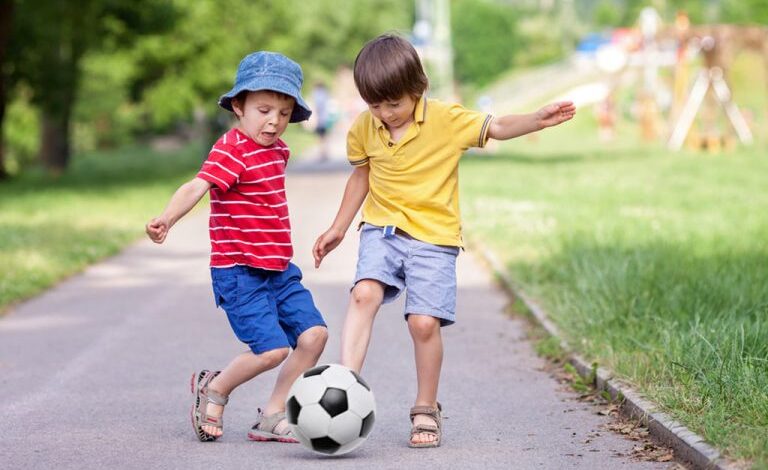
Childrens Hobby play a crucial role in the overall development of Childrens Hobby Ideas: Fun Activities to Inspire Creativity. They are not just a way to pass the time, but a meaningful activity that nurtures creativity, emotional well-being, and cognitive skills. Introducing Childrens Hobby from an early age helps them explore their interests, develop new skills, and gain confidence. Parents often underestimate the importance of hobbies, focusing primarily on academic achievements. However, a well-chosen hobby can complement formal education and provide a platform for holistic growth.
A child’s engagement in hobbies can positively influence social, emotional, and physical development. Creative hobbies like painting or music help in self-expression, while sports and outdoor activities enhance physical fitness and teamwork skills. Educational hobbies, such as reading or puzzle-solving, improve critical thinking and problem-solving abilities. The goal of this article is to provide parents with a comprehensive guide to understanding, choosing, and encouraging the right hobbies for their children. From age-appropriate ideas to balancing fun with learning, this guide covers everything parents need to know to help their children thrive.
Moreover, hobbies can foster a sense of responsibility and discipline in Childrens Hobby. When kids are encouraged to dedicate time regularly to their interests, they learn to manage their schedules, set goals, and appreciate the rewards of consistent effort. In the following sections, we will explore different types of hobbies, their benefits, and practical ways to introduce and maintain them in a child’s routine.
Understanding Childrens Hobby
What Is a Hobby?
A hobby is an activity that a person engages in for pleasure and personal satisfaction, rather than for financial gain or professional obligations. For Childrens Hobby, hobbies are often spontaneous interests that capture their curiosity and imagination. Unlike passive pastimes like watching television, hobbies actively involve a child in learning and skill-building. They can range from creative pursuits, such as drawing or playing musical instruments, to physical activities like swimming or cycling.
The key distinction between a hobby and a mere pastime lies in intention and engagement. While both involve time spent on an activity, a hobby typically encourages growth, mastery, and enjoyment. Childrens Hobby often gravitate towards hobbies that reflect their personalities and natural inclinations, making it important for parents to observe and support these interests.
Benefits of Hobbies for Childrens
Hobbies offer multifaceted benefits that significantly contribute to a child’s development. Mentally, hobbies stimulate creativity, problem-solving skills, and critical thinking. For example, building a model airplane or solving puzzles sharpens concentration and analytical abilities. Physically, activities such as sports or dance improve motor skills, strength, and overall health.
Emotionally, hobbies provide an outlet for self-expression and stress relief, allowing Childrens Hobby to process feelings in a constructive way. Socially, group-based hobbies like team sports or drama clubs foster communication skills, empathy, and teamwork. Hobbies are also instrumental in teaching patience and resilience, as children learn to navigate challenges and celebrate incremental progress.
Age-Appropriate Hobbies
The right Childrens Hobby for a child depends largely on their age and developmental stage. For toddlers (1–3 years), sensory play, simple crafts, and building blocks encourage exploration and coordination. Preschoolers (3–5 years) can enjoy storytelling, painting, and interactive games that stimulate imagination. School-aged Childrens Hobby (6–12 years) benefit from hobbies that combine creativity with skill-building, such as music lessons, sports, and science experiments. Teens (13–18 years) often prefer more specialized activities like coding, photography, or advanced sports, which allow them to pursue their passions and develop independence.
Choosing hobbies aligned with age-appropriate capabilities ensures that Childrens Hobby remain engaged and motivated while gaining meaningful developmental benefits.
Types of Childrens Hobbies
Creative Childrens Hobby
Creative hobbies nurture imagination and self-expression. Drawing, painting, and crafts provide children with the tools to visually express their thoughts and emotions. Music, dance, and drama enable them to explore rhythm, tone, and storytelling, enhancing emotional intelligence and performance skills. DIY projects, model-making, and other hands-on activities develop patience and attention to detail, teaching children the value of perseverance. Creative hobbies also boost problem-solving abilities, as children experiment with different techniques and materials.
Educational Hobbies
Educational hobbies combine fun with learning, making them essential for intellectual growth. Reading and storytelling improve vocabulary, comprehension, and cognitive development. Science experiments and exploration-based activities spark curiosity and logical thinking. Puzzle-solving, chess, and board games enhance strategic thinking, memory, and focus. These hobbies not only enrich academic performance but also instill a lifelong love for learning and discovery.
Outdoor and Physical Hobbies
Outdoor hobbies contribute significantly to a child’s physical well-being. Sports like soccer, swimming, and martial arts enhance fitness, coordination, and teamwork. Nature-based activities, such as hiking, gardening, or camping, connect children to the environment while promoting observation and patience. Activities like cycling, skating, or playground games improve stamina and motor skills, ensuring children remain active and healthy while having fun.
Digital and Technology Hobbies
In today’s digital age, technology-based hobbies are increasingly popular. Coding, robotics, and programming teach logic, innovation, and problem-solving skills. Educational apps and interactive games combine learning with entertainment, offering opportunities to develop analytical and cognitive abilities. Photography and video creation encourage creativity and storytelling, helping children express themselves while becoming tech-savvy. Moderation and supervision are key to balancing digital hobbies with physical and social activities.
How to Choose the Right Hobby for Your Child
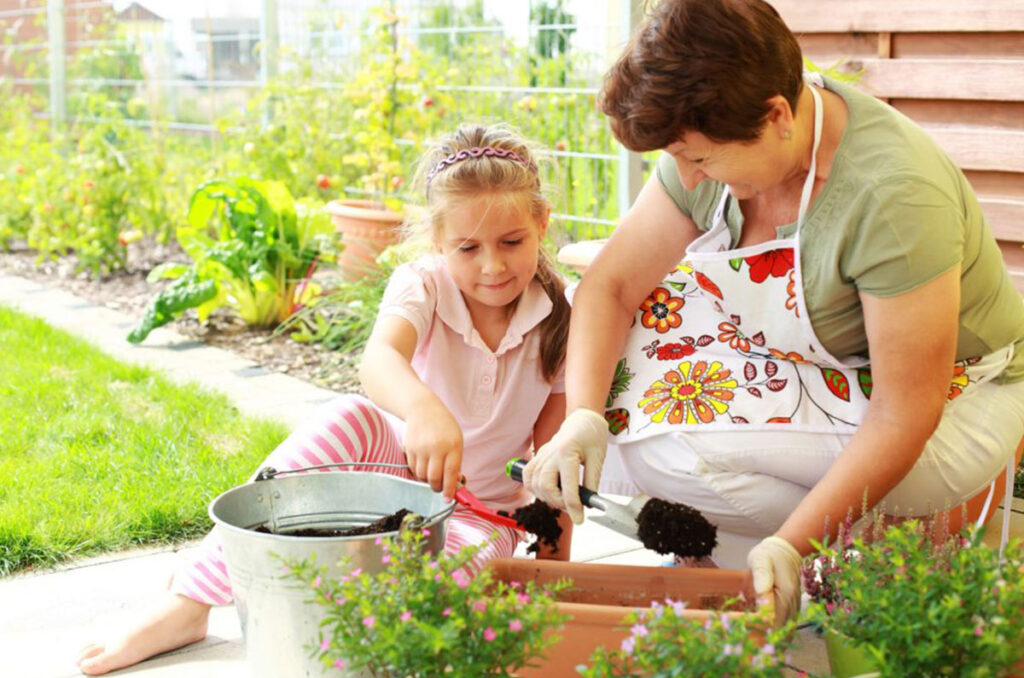
Consider Your Child’s Interests and Personality
Every child is unique, and their hobbies should reflect their individual preferences. Observing their natural inclinations, curiosity, and enthusiasm can help parents select activities that will genuinely engage them. Encouraging exploration without pressure allows children to discover passions at their own pace, fostering intrinsic motivation.
Balancing Fun and Learning
A successful hobby should be enjoyable while promoting skill-building. Parents can choose hobbies that provide both entertainment and educational benefits. For instance, science kits or musical instruments offer learning opportunities in a fun, interactive way. Balancing multiple hobbies ensures children develop holistically without feeling overwhelmed.
Setting Goals and Encouragement
Establishing small, achievable goals within hobbies boosts motivation and self-confidence. Parents should celebrate accomplishments, no matter how minor, to reinforce persistence and dedication. Positive reinforcement and consistent support create a nurturing environment that encourages children to pursue their hobbies wholeheartedly.
Dealing with Challenges
Children may lose interest in hobbies or face difficulties mastering new skills. Parents should be patient, provide guidance, and offer alternative options if needed. Balancing screen time with physical activity and maintaining safety are critical considerations for sustaining a child’s engagement in hobbies.
Encouraging Consistency and Growth in Hobbies
Making Hobbies a Routine
Consistency is essential to mastering any hobby. Parents can create a structured schedule that includes dedicated time for hobbies. Combining family participation or group activities increases engagement and makes the experience enjoyable.
Supporting Skill Development
Providing resources, tools, and learning materials enhances the effectiveness of hobbies. Enrolling children in classes or clubs exposes them to new techniques, expert guidance, and peer interaction, facilitating growth and skill advancement.
Celebrating Achievements
Recognizing progress, showcasing work, or participating in exhibitions and competitions motivates children and reinforces the value of effort. Celebrating achievements instills pride, encourages continued involvement, and nurtures a lifelong love for hobbies.
Conclusion
Hobbies are much more than leisure activities; they are powerful tools for a child’s development. Creative, educational, physical, and technological hobbies offer numerous benefits, including cognitive growth, emotional well-being, and social skills. By carefully selecting age-appropriate hobbies, balancing fun with learning, and providing consistent support, parents can help their children cultivate meaningful interests that last a lifetime. Encouraging children to explore hobbies nurtures curiosity, confidence, and creativity, laying the foundation for well-rounded and happy individuals.
FAQs
What are some easy hobbies for young children at home?
Simple crafts, drawing, reading, and building blocks are excellent beginner hobbies for toddlers and preschoolers.
How do hobbies help in a child’s academic performance?
Hobbies enhance critical thinking, focus, and problem-solving, which positively impact learning and school performance.
Can hobbies be turned into future career opportunities?
Yes, hobbies like coding, music, sports, or photography can develop skills that may evolve into professional careers.
How much time should a child spend on hobbies daily?
Depending on age, 30 minutes to 2 hours daily is recommended, balancing hobbies with schoolwork and rest.
What if my child loses interest in a hobby?
Observe and understand the reason; offer alternatives or let them explore new interests without pressure.
Are digital hobbies beneficial or harmful for kids?
Digital hobbies are beneficial if balanced with physical and social activities, and used under parental guidance.
How can parents encourage shy or introverted children to participate in hobbies?
Start with individual or small-group hobbies, gradually building confidence before introducing team or social activities.
You May Also Read: Charging By Friction Key Word

