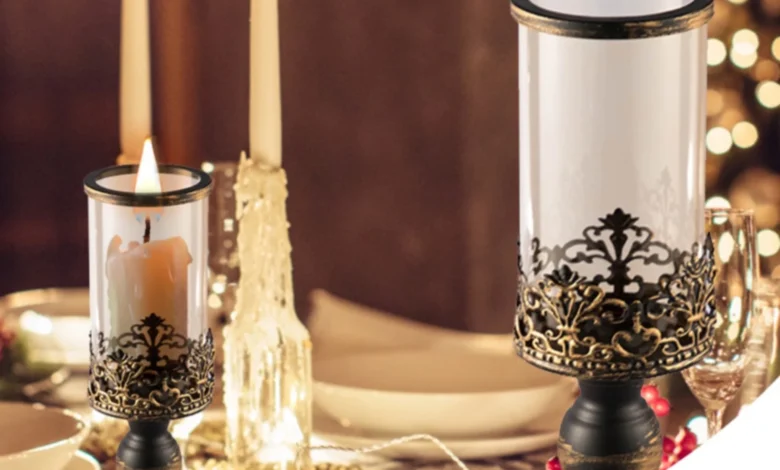
Candlestick Material have been a staple of human civilization for centuries. They served not only as functional objects for holding candles but also as symbols of warmth, elegance, and celebration. Whether used in homes, religious rituals, or festive gatherings, candlesticks carry a timeless charm. While design and craftsmanship are important, one factor often overlooked is the material from which the candlestick is made. The choice of candlestick material impacts not only its durability and safety but also its aesthetic appeal and symbolic value.
Different materials bring different qualities. A brass candlestick exudes antique charm, while a sleek glass holder radiates modern elegance. A wooden base may give rustic warmth, whereas marble or stone adds an air of luxury and permanence. Beyond looks, practicality also plays a major role. Some materials are fragile, while others are resilient. Certain options are easy to clean, while others demand delicate care. Understanding the pros and cons of various candlestick materials can help buyers make informed choices that suit both their personal style and practical needs.
This article explores the different types of candlestick materials, their advantages and drawbacks, and how to choose the right one for different settings. From historical significance to modern-day trends, we will dive into everything you need to know about candlestick materials so that your next purchase combines beauty, safety, and lasting value.
Understanding the Importance of Candlestick Material
The material of a candlestick is more than just a stylistic choice—it is the foundation of the item’s performance, safety, and overall lifespan. For example, metals such as brass or iron offer durability and resistance to heat, making them ideal for long-term use. In contrast, delicate materials like glass or crystal bring unmatched elegance but require extra care to prevent damage. By considering the strengths and weaknesses of each material, you can select a candlestick that enhances your décor while meeting functional needs.
Material also affects the candlestick’s aesthetic presence. A polished silver or gold candlestick evokes classic grandeur, often associated with luxury dining settings or ceremonial occasions. Wooden candlesticks, on the other hand, embody natural beauty and complement rustic or minimalist interiors. Marble and stone stand out as sophisticated centerpieces, perfect for modern luxury homes. Each material aligns with certain moods and themes, allowing you to create a personalized atmosphere in your space.
Safety is another crucial aspect tied to material choice. Some materials conduct heat and may become hot to touch, while others are prone to tipping over if they are too light. Wooden candlesticks, although beautiful, must be carefully used with protective fittings to reduce fire risk. By selecting the right candlestick material, you not only enhance style but also ensure safe and practical use. This makes material selection a vital step for anyone looking to invest in candlesticks for daily use, decorative displays, or special events.
Common Types of Candlestick Materials
Metal Candlesticks
Metal has long been one of the most popular choices for candlesticks. Brass, silver, and iron are classic options, while stainless steel and aluminum offer modern variations. Metals are prized for their durability, resistance to heat, and ability to be molded into intricate designs. Antique brass candlesticks bring a sense of history and tradition, while polished silver adds a sleek and elegant touch. One major advantage of metal is its stability—heavier metals prevent tipping and provide a secure base for candles.
However, metal candlesticks require regular maintenance. Silver, for instance, tarnishes over time and must be polished to maintain its shine. Lighter metals like aluminum may dent or scratch more easily. Despite these drawbacks, metal remains a preferred material for those seeking timeless beauty combined with long-lasting strength.
Wooden Candlesticks
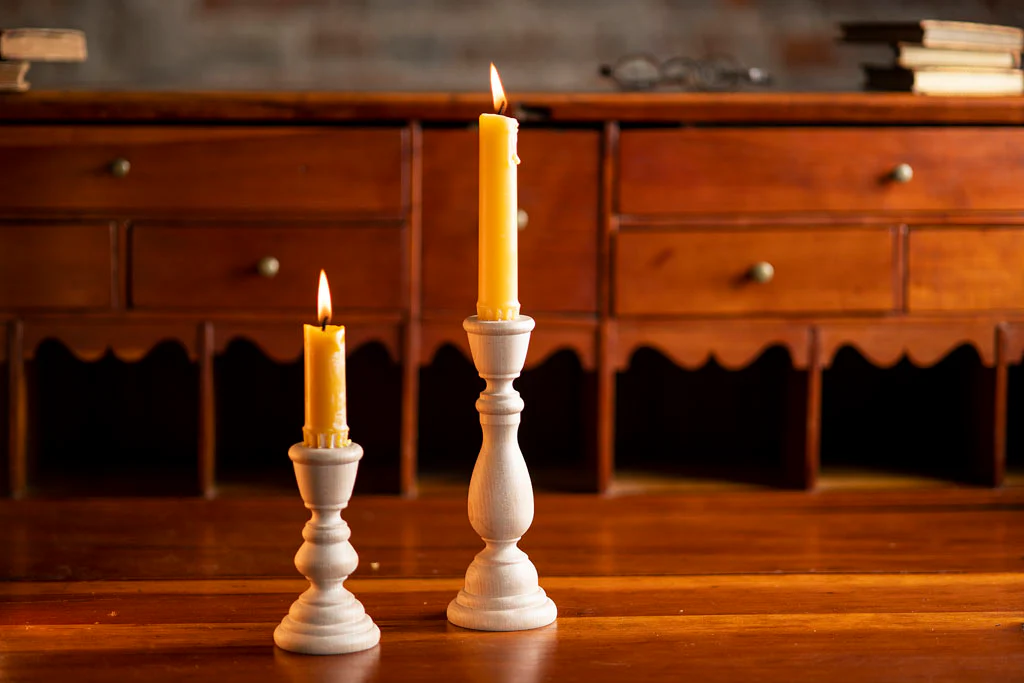
Wooden candlesticks are admired for their natural charm and rustic appeal. They fit beautifully into country-style interiors, bohemian themes, and eco-friendly homes. Woods like oak, teak, and mahogany are commonly used, each bringing its own unique grain and finish. The warmth of wood creates a cozy and inviting atmosphere, making it ideal for casual dinners or seasonal decorations.
The primary drawback of wooden candlesticks is flammability. Without protective metal inserts, wooden holders may pose a fire hazard. They also require care to avoid wax stains and damage from moisture. Despite these concerns, wooden candlesticks remain a favorite for their organic beauty and versatility.
Glass and Crystal Candlesticks
Glass and crystal candlesticks embody elegance and sophistication. Clear glass options provide a modern, minimalist appeal, while crystal reflects light in dazzling ways, making it a popular choice for weddings and luxury events. Their transparency allows them to blend seamlessly with any color scheme, enhancing the beauty of the candles they hold.
The downside is fragility. Glass and crystal are prone to breaking if dropped or mishandled. They are best suited for special occasions rather than daily use. Nevertheless, for formal décor, few materials match the stunning beauty of glass and crystal candlesticks.
Ceramic and Porcelain Candlesticks
Ceramic and porcelain candlesticks offer artistry and uniqueness. Handmade versions often feature hand-painted details, giving them a personalized and decorative charm. These materials are resistant to heat, making them safe for candles, but they are also brittle and can chip or crack if mishandled.
Ceramic candlesticks are popular in eclectic or artistic spaces where individuality is celebrated. They also make excellent gifts, as each piece may carry distinct craftsmanship. The main challenge lies in handling them carefully to ensure longevity.
Stone and Marble Candlesticks
Stone and marble represent luxury and permanence. These candlesticks are heavy, stable, and nearly indestructible under normal conditions. Their natural patterns and textures make each piece unique. Marble candlesticks, in particular, are prized in upscale interiors for their elegance and durability.
The main drawback is their weight, which makes them less portable and sometimes more expensive. Still, for those seeking timeless sophistication, marble or stone candlesticks are unmatched.
How to Choose the Right Candlestick Material
Selecting the right candlestick material depends largely on personal style, intended use, and budget. For everyday use, durable metals or sturdy wooden designs may be best. If you’re decorating for a wedding or formal event, crystal or glass options can elevate the ambiance with elegance and sparkle. For luxurious interiors, marble or stone provides a statement piece that lasts a lifetime.
Safety should always guide the decision. Avoid lightweight holders that may tip over easily, especially in homes with children or pets. Ensure that wooden candlesticks have protective fittings, and use dripless candles in fragile glass holders to prevent damage. Budget is another factor, as materials range widely in price—from affordable wood and glass to costly silver and marble. Ultimately, the best candlestick material is one that balances aesthetics, practicality, and safety for your specific needs.
Candlestick Materials in Cultural and Historical Context
Throughout history, candlestick materials have carried symbolic meaning. In medieval Europe, brass and iron candlesticks illuminated castles and churches, symbolizing strength and faith. Silver candlesticks often adorned noble households, reflecting wealth and prestige. In Jewish tradition, silver and brass are still common choices for menorahs, underscoring the spiritual importance of material choice.
Wooden candlesticks, often hand-carved, were staples in rural communities where resources were limited. Their rustic charm continues to represent simplicity and warmth. Glass and crystal rose to prominence in the 19th century, symbolizing refinement and artistic innovation. Today, the evolution of candlestick materials reflects broader cultural shifts toward sustainability, minimalism, and luxury living, bridging history with contemporary design trends.
Caring for Different Candlestick Materials
Each candlestick material requires unique care. Metal holders should be polished regularly to prevent tarnish, while stainless steel can simply be wiped clean. Wooden candlesticks should be protected from wax drips and kept away from direct flames. Glass and crystal must be handled gently, with cleaning done using mild soap and warm water. Ceramic and porcelain require careful handling to avoid chips, while marble should be dusted and occasionally treated with stone-safe polish to preserve its luster.
Proper storage is equally important. Candlesticks should be kept in dry, cool places to prevent damage. Wrapping fragile items like glass or ceramic in soft cloth ensures they remain intact between uses. With attentive care, candlesticks of any material can remain functional and beautiful for years, preserving both their utility and their decorative charm.
Conclusion
Candlestick material plays a defining role in both aesthetics and functionality. From the rustic warmth of wood to the dazzling brilliance of crystal, each option carries unique strengths and limitations. By carefully weighing factors such as durability, safety, style, and cost, you can choose the perfect candlestick material to suit your lifestyle and décor. Whether for everyday dining, cultural traditions, or elegant events, the right material enhances both the beauty and practicality of your candle displays. Ultimately, candlesticks are more than just holders—they are reflections of personal taste, history, and timeless artistry.
FAQs About Candlestick Material
What is the most durable candlestick material?
Metal and marble are the most durable options, offering longevity and resistance to wear.
Are wooden candlesticks safe to use with real candles?
Yes, but only when fitted with metal inserts to protect the wood from flames.
Which candlestick material is best for weddings and special occasions?
Glass and crystal are popular choices for their elegance and sparkle.
How do I clean and maintain metal candlesticks?
Polish regularly with a soft cloth and use metal cleaners to prevent tarnish.
Are glass candlesticks too fragile for everyday use?
They can be, but with careful handling, they work well for decorative or occasional use.
What candlestick material adds the most luxury to home décor?
Marble and silver are considered the most luxurious and sophisticated options.
Can ceramic candlesticks withstand high heat?
Yes, ceramics are heat-resistant, but they should be handled carefully to avoid chips.
What is the most affordable candlestick material for beginners?
Wood and glass candlesticks are usually the most budget-friendly choices.
You May Also Read: Silk Floss Tree Benefits