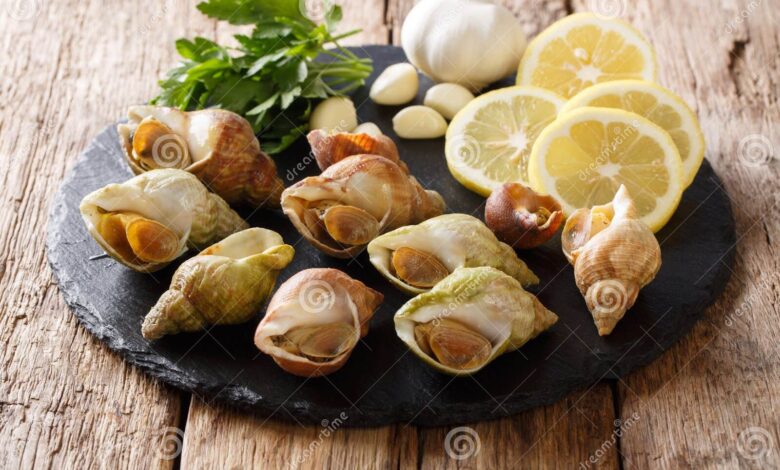
For centuries, the British seaside has been defined by more than its crashing waves and colorful promenades—it has also been shaped by its food. Among the most iconic staples of coastal cuisine are cockles and whelks, two humble shellfish that have nourished communities and delighted visitors for generations. Found in markets, seaside stalls, and even high-end restaurants, these small yet flavorful mollusks embody both tradition and innovation in the world of seafood.
Cockles and whelks hold a special place in culinary history. They were once seen as working-class staples, affordable and widely available along the coasts of Britain and parts of Europe. Today, however, they are celebrated not only for their nostalgic charm but also for their nutritional benefits and versatility in modern cooking. Whether served simply with a dash of vinegar from a seaside vendor or incorporated into gourmet dishes, cockles and whelks remain timeless representatives of Britain’s maritime heritage.
This article dives into the fascinating world of cockles and whelks, exploring their origins, nutritional value, cultural importance, and place in today’s food culture. By the end, you’ll have a deeper appreciation for why these shellfish are far more than just a nostalgic snack—they are a living symbol of coastal tradition with enduring modern appeal.
Understanding Cockles and Whelks
Cockles and whelks are both shellfish, yet they belong to different families and have distinct characteristics. Cockles are small bivalve mollusks with ribbed, rounded shells, often found burrowed in sandy or muddy shores. They are especially common in estuaries and tidal flats across Britain, Ireland, and parts of Europe. Whelks, on the other hand, are marine gastropods, or sea snails, with spiral shells. They live in deeper, colder waters and are usually caught using baited pots or dredges.
While they differ in biology, both cockles and whelks have played similar roles in coastal communities. For generations, families collected cockles by hand during low tide, often as a source of both food and income. In some regions, cockle-picking became a way of life, passed down from one generation to the next. Whelks, being larger and meatier, were traditionally sold in markets and consumed boiled, often with vinegar or salt to enhance their flavor.
Their historical importance extends beyond nourishment. These shellfish were a cornerstone of coastal economies, feeding working-class families affordably while sustaining local fishing industries. Even today, cockles and whelks are exported internationally, celebrated as delicacies in countries like South Korea and Japan. Their enduring presence underscores how a humble food source can evolve into a cultural and economic symbol.
Nutritional Value and Health Benefits
One of the reasons cockles and whelks remain popular is their impressive nutritional profile. They are rich in protein, making them an excellent choice for building and repairing muscles. A small serving can provide a significant portion of daily protein needs, without the high fat content often associated with other meats.
Cockles are particularly high in iron and vitamin B12, both of which support healthy blood production and energy levels. This makes them an excellent option for people prone to anemia or those seeking energy-boosting foods. They are also low in calories, meaning they can be enjoyed guilt-free as part of a balanced diet.
Whelks, meanwhile, are a source of essential minerals such as magnesium, zinc, and selenium. These minerals contribute to immune health, metabolic function, and antioxidant defense. Like cockles, whelks are also naturally low in fat and carbohydrates, making them suitable for modern dietary trends like low-carb and high-protein lifestyles.
Of course, as with any shellfish, proper preparation is important. Eating them raw is not recommended unless they are sourced from safe, regulated waters, as shellfish can sometimes carry harmful bacteria or toxins. When cooked thoroughly, however, cockles and whelks become not only safe but highly beneficial additions to a healthy diet. Their combination of flavor and nutrition makes them valuable both in traditional diets and in contemporary wellness-focused cuisine.
Cockles and Whelks in Culinary Traditions
Few foods evoke seaside nostalgia quite like cockles and whelks. For decades, they have been a staple of British seaside culture, sold from small vendors in paper cups, often doused with malt vinegar or sprinkled with salt. Families on holiday would snack on them between trips to the pier or strolls along the beach, cementing their place in childhood memories across generations.
Cockles, in particular, have appeared in regional dishes such as cockle soup in Wales or mixed into pasta dishes in parts of Europe. Their delicate, slightly briny flavor pairs well with simple seasonings and fresh herbs. Whelks, with their firmer texture, are often enjoyed boiled and served cold, making them a popular street food in both Britain and East Asia. In Korea, for instance, spicy marinated whelks are a beloved dish known as golbaengi-muchim.
Modern chefs have also embraced cockles and whelks, bringing them into fine dining contexts. They may appear in seafood stews, risottos, or as part of elegant tasting menus. Their versatility means they can be served rustic and traditional or refined and innovative. This culinary adaptability ensures that cockles and whelks remain relevant, appealing to both traditionalists and adventurous food lovers.
Ultimately, these shellfish are more than just ingredients—they are culinary storytellers, carrying with them the history, culture, and tastes of coastal communities.
Harvesting, Sustainability, and Availability
The way cockles and whelks are harvested has changed over the years, balancing tradition with modern sustainability efforts. Cockles are often collected by hand raking during low tide, a method that has been used for centuries. In some areas, mechanical dredges are employed, though this practice raises concerns about damage to seabeds. Whelks, on the other hand, are usually caught using baited pots, which can be more sustainable than large-scale trawling methods.
Sustainability has become a pressing issue for both cockle and whelk fisheries. Overfishing and environmental changes have impacted populations in some regions, prompting stricter regulations. Seasonal closures and quotas are now in place in many areas to allow stocks to recover. Consumers are increasingly encouraged to buy from sustainable sources, supporting fisheries that prioritize long-term ecological balance.
For those looking to buy cockles and whelks, options range from local fishmongers and markets to supermarket seafood sections. Fresh specimens should have a clean, briny smell and be stored on ice until prepared. Frozen varieties are also widely available, offering convenience without compromising nutrition.
By choosing responsibly sourced shellfish, consumers not only enjoy delicious seafood but also play a part in preserving fragile coastal ecosystems. In this way, cockles and whelks represent not just a meal, but a broader connection between people, tradition, and the environment.
Cockles and Whelks in Popular Culture
Beyond the dinner table, cockles and whelks hold an enduring place in popular culture. They are often associated with British seaside markets, where vendors sold them in small cups alongside other shellfish like mussels and prawns. This tradition became so ingrained that “cockles and whelks” are often mentioned in songs, literature, and even jokes as shorthand for working-class coastal life.
One of the most famous cultural references is the Irish folk song “Molly Malone”, which tells the story of a fishmonger selling “cockles and mussels, alive, alive, oh!” While whelks are not directly mentioned in the song, they share the same cultural resonance, symbolizing the livelihoods of coastal traders.
In recent years, there has been a resurgence of interest in these traditional shellfish, partly due to the rise of foodie culture and the nostalgia for authentic, regional foods. Food festivals, cookbooks, and television chefs have brought cockles and whelks back into the spotlight, highlighting them as sustainable and underappreciated delicacies.
Their continued presence in both tradition and modern food trends demonstrates how cockles and whelks remain more than just seafood—they are symbols of heritage, community, and the enduring connection between the sea and its people.
Conclusion
Cockles and whelks may be small, but their significance looms large. From their roles as affordable seaside snacks to their place in fine dining, they represent the resilience of coastal traditions and the adaptability of culinary culture. Nutrient-rich, versatile, and deeply rooted in history, they embody both the past and the future of sustainable seafood.
As modern society rediscovers the value of traditional foods, cockles and whelks stand out as timeless examples of how cuisine can connect us to heritage while also supporting healthier, eco-conscious lifestyles. Whether enjoyed simply with vinegar by the sea or served as part of an elegant dish, these shellfish remind us that the best flavors often come from the simplest sources.
FAQs About Cockles and Whelks
What is the difference between cockles and whelks?
Cockles are small bivalves with ribbed shells, while whelks are larger sea snails with spiral shells.
Are cockles and whelks healthy to eat?
Yes, both are rich in protein, vitamins, and minerals while being low in fat and calories.
How are cockles and whelks traditionally prepared?
Cockles are often boiled or pickled, while whelks are usually boiled and served cold with vinegar or sauces.
Where can you buy fresh cockles and whelks?
They are available at fishmongers, seaside markets, supermarkets, and online seafood retailers.
Are cockles and whelks sustainable seafood choices?
Yes, when harvested responsibly from regulated fisheries, they can be a sustainable option.
Can you eat cockles and whelks raw?
It is not recommended unless they come from certified safe waters; cooking is generally advised.
What are some popular recipes using cockles and whelks?
Cockle soup, seafood pasta, pickled whelks, and spicy Korean marinated whelks are popular dishes.
Why are cockles and whelks associated with British seaside culture?
Because they were traditionally sold at seaside stalls and markets, becoming symbols of coastal life.
You May Also Read: Hyrox Supplements