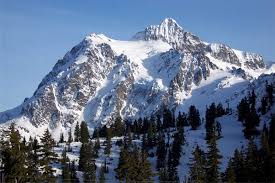
Mt Shuksan Elevation is one of the crown jewels of Washington State’s North Cascades, a mountain that attracts hikers, climbers, and photographers alike. Known for its dramatic ridgelines, glaciated peaks, and breathtaking scenery, Mt Shuksan is often considered one of the most picturesque mountains in North America. At first glance, its towering presence immediately captures the imagination, but one question often arises for outdoor enthusiasts: what exactly is Mt Shuksan’s elevation, and why does it matter?
Elevation is more than just a number on a map. It shapes the character of a mountain, influencing its weather patterns, ecosystems, and the challenges it presents to climbers. In the case of Mt Shuksan, its elevation plays a defining role in making it both awe-inspiring and formidable. From pristine alpine lakes that reflect its snowy peak to the demanding climbing routes that test even seasoned mountaineers, Mt Shuksan’s height is at the heart of its story.
In this article, we’ll dive into the details of Mt Shuksan’s elevation, compare it with nearby mountains, and explore why its height makes it such a unique destination. We’ll also cover hiking and climbing opportunities, the best ways to view the mountain, and its cultural significance. Whether you’re planning to climb Mt Shuksan or simply want to admire it from a distance, understanding its elevation provides valuable insight into this iconic peak.
Mt Shuksan Elevation and Geographic Facts
Mt Shuksan stands proudly at an elevation of 9,131 feet (2,783 meters), making it one of the highest and most striking peaks in the North Cascades. While it does not surpass nearby Mt Baker in height, it is often regarded as more visually stunning due to its rugged contours and glacial coverage. The mountain lies within North Cascades National Park, only a short distance from the Mt Baker Ski Area, making it both accessible and remote depending on how you wish to experience it.
Geographically, Mt Shuksan is part of the Cascade Range, a mountain chain shaped by millions of years of volcanic and tectonic activity. However, unlike Mt Baker, Mt Shuksan is not a volcano but rather a highly glaciated massif. Its elevation contributes to the presence of sprawling glaciers, including the Sulphide and White Salmon Glaciers, which carve out dramatic landscapes that attract adventurers from around the globe.
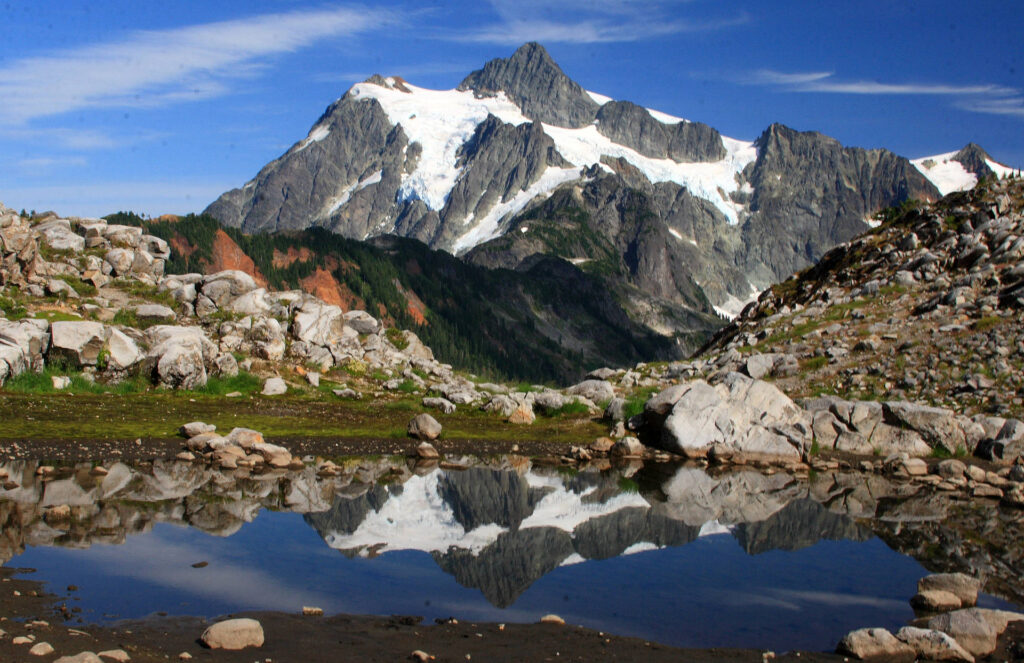
Compared with neighboring peaks, Mt Shuksan may not be the tallest, but it holds a special place among climbers and nature enthusiasts. Its towering profile, often mirrored in the calm waters of Picture Lake, makes it a symbol of the North Cascades. When you consider its elevation in relation to its surroundings, Mt Shuksan dominates the skyline and leaves an unforgettable impression on anyone lucky enough to gaze upon it.
The Significance of Mt Shuksan’s Elevation
Elevation shapes more than just the height of a mountain; it influences every aspect of its environment. At over 9,000 feet, Mt Shuksan experiences weather patterns that shift quickly and unpredictably. Strong winds, sudden snowstorms, and freezing conditions are not uncommon at higher elevations, even in the summer months. This makes preparation essential for climbers attempting to reach its summit.
The mountain’s elevation also creates unique ecosystems. Lower slopes are adorned with alpine meadows, where wildflowers bloom in summer and wildlife thrives. As you ascend, vegetation becomes sparse, giving way to icy cliffs and glaciers that define the upper reaches. This variety of landscapes within a single mountain is a direct result of its elevation, offering an ever-changing experience to those who explore it.
For photographers, Mt Shuksan’s height enhances its beauty. Its glaciated peaks catch the light in different ways throughout the day, producing dramatic shadows and glowing summits at sunrise and sunset. Its elevation makes it visible from miles away, and its reflection in Picture Lake has become one of the most iconic images in American landscape photography.
Ultimately, the significance of Mt Shuksan’s elevation lies in how it transforms the mountain into both a natural wonder and a challenging adventure. The height not only tests physical endurance but also rewards explorers with unmatched views and a sense of accomplishment few places can rival.
Hiking and Climbing Mt Shuksan
Climbing Mt Shuksan is no small feat. Its elevation and rugged terrain mean that routes to the summit are technical and demanding, requiring skill, preparation, and respect for the mountain. Among the most popular routes is the Sulphide Glacier route, which is considered the least technical but still requires glacier travel and crevasse navigation. The Fisher Chimneys route is another well-known climb, combining steep rock scrambling with glacier ascents for a thrilling experience.
For those planning an ascent, timing is everything. The best climbing season generally runs from late June through early September, when snow conditions are most favorable and weather patterns are slightly more stable. However, even during this period, climbers must be prepared for sudden changes. Proper equipment, including crampons, ice axes, and ropes, is mandatory for safe travel on the glaciers.
Safety cannot be overstated. Mt Shuksan’s elevation brings thinner air, colder temperatures, and the constant risk of avalanches or falling ice. Many climbers join guided expeditions to ensure a safer journey, especially if they lack experience in glacier travel. Preparation, training, and respect for the mountain’s challenges are key to a successful climb.
Even if you don’t attempt the summit, hiking in the areas surrounding Mt Shuksan offers incredible rewards. Trails near Picture Lake and Artist Point provide spectacular views of the mountain without technical climbing, making them ideal for casual hikers and photographers. This accessibility ensures that Mt Shuksan’s grandeur can be enjoyed by both seasoned mountaineers and everyday adventurers.
Visiting Mt Shuksan: Planning Your Trip
Not everyone who visits Mt Shuksan intends to climb it, and thankfully, you don’t have to reach the summit to appreciate its majesty. Two of the best viewpoints are Picture Lake and Artist Point, both easily accessible by car during the summer months. Picture Lake, in particular, offers a world-famous reflection of Mt Shuksan on calm days, making it a favorite stop for photographers.
The nearby town of Glacier, Washington, serves as the gateway for visitors, providing lodging, restaurants, and gear rental shops. From here, travelers can access the Mt Baker Highway, which leads to stunning viewpoints and trailheads. Depending on the season, accessibility can vary. Winter months bring heavy snow, making many roads impassable, while summer opens up the region for hiking and scenic drives.
Weather is a crucial factor when planning a visit. Even at lower elevations, the mountain is known for unpredictable conditions. Checking forecasts, dressing in layers, and carrying essentials such as water, food, and rain gear are highly recommended. For photographers, early morning and late evening light provide the best conditions to capture Mt Shuksan’s dramatic profile.
Whether you’re a seasoned climber, a casual hiker, or simply someone who appreciates breathtaking landscapes, visiting Mt Shuksan offers an unforgettable experience. Its elevation ensures that it remains a commanding presence in the North Cascades, drawing adventurers and admirers year after year.
Mt Shuksan in History and Culture
Beyond its physical beauty, Mt Shuksan holds cultural and historical importance. Indigenous peoples of the region regarded the mountain as a sacred place, with stories and traditions tied to its presence in the landscape. These cultural connections highlight the mountain’s role not only as a natural landmark but also as a spiritual symbol.
In the history of mountaineering, Mt Shuksan has long been a destination for climbers seeking both challenge and beauty. Its first recorded ascent was made in 1906, and since then, it has become a training ground for mountaineers preparing for larger expeditions in the Cascades and beyond. Its technical routes and glaciated terrain offer valuable experience for those aspiring to climb higher peaks.
Today, Mt Shuksan is one of the most photographed mountains in North America. Its reflection in Picture Lake has graced countless magazines, postcards, and calendars, cementing its status as an icon of the Pacific Northwest. This blend of cultural reverence, climbing history, and visual appeal makes Mt Shuksan more than just a mountain—it is a symbol of the natural beauty and adventure that define Washington State.
Conclusion
Mt Shuksan’s elevation of 9,131 feet makes it one of the most impressive and beloved peaks in the North Cascades. From its towering glaciers to its dramatic ridgelines, the mountain is a testament to nature’s power and beauty. Its height shapes everything from weather conditions to ecosystems, offering both challenges and rewards for those who explore it.
Whether you aim to summit its glaciers or simply admire it from afar, Mt Shuksan leaves a lasting impression. It is a place where nature, culture, and adventure converge, inviting visitors to connect with the outdoors in a profound way. For climbers, it represents a test of skill and endurance; for photographers, it provides an endless source of inspiration; and for casual visitors, it offers moments of awe that will be remembered for a lifetime.
FAQs About Mt Shuksan Elevation
What is the exact elevation of Mt Shuksan?
Mt Shuksan has an elevation of 9,131 feet (2,783 meters).
How does Mt Shuksan compare in height to Mt Baker?
Mt Baker is taller at 10,781 feet, but Mt Shuksan is often considered more visually striking.
Is Mt Shuksan suitable for beginner hikers?
While climbing routes are technical, nearby trails and viewpoints like Picture Lake and Artist Point are great for beginners.
What is the most popular route to climb Mt Shuksan?
The Sulphide Glacier route is the most commonly attempted, though it still requires glacier travel skills.
When is the best time of year to visit Mt Shuksan for photography?
Late summer and early fall offer the best conditions, with clear skies and colorful landscapes.
Can I see Mt Shuksan without climbing it?
Yes, Picture Lake and Artist Point provide incredible views accessible by car.
How does elevation affect the weather on Mt Shuksan?
Its high elevation creates unpredictable weather, with snow possible even in summer months.
Is a permit required to climb Mt Shuksan?
Yes, overnight climbs typically require permits from North Cascades National Park.
You May Also Read: Troches Dosage Form

