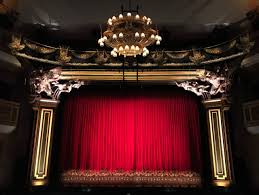
The Romantic Period Theatre was an age of passion, imagination, and rebellion against the rigid rules of the past. Emerging at the end of the 18th century and flourishing into the mid-19th century, the Romantic movement reshaped literature, music, visual arts, and, perhaps most dramatically, the theatre. During this time, theatre was not just entertainment; it was a reflection of shifting cultural identities, political revolutions, and the growing power of individual expression.
Romantic period theatre stood in stark contrast to the Neoclassical traditions that preceded it. While earlier drama emphasized structure, reason, and the strict observance of classical unities, Romantic theatre celebrated freedom, individuality, and the unrestrained power of human emotion. Stages became places where audiences could witness larger-than-life heroes, supernatural encounters, and stories that blended tragedy, comedy, and melodrama in new and exciting ways.
Today, Romantic theatre is remembered not only for its dramatic innovations but also for the way it paved the path toward modern drama. By breaking rules and celebrating creativity, it created a lasting legacy that continues to influence writers, directors, and performers.
Historical Context of Romantic Period Theatre
The rise of Romantic theatre cannot be understood without considering the major historical and cultural changes of the late 18th and early 19th centuries. This was a time marked by the French Revolution, the rise of nationalism, and the rapid transformations brought by the Industrial Revolution. Old social structures were crumbling, and people were searching for new forms of identity and meaning. Theatre, always a mirror of society, naturally reflected these dramatic changes.
Neoclassicism, which had dominated European drama for centuries, insisted on rationality, moral order, and strict adherence to rules like the unities of time, place, and action. However, as revolutions swept across Europe, audiences grew restless with such rigid traditions. Romanticism emerged as an artistic rebellion against these constraints, placing emphasis on freedom, creativity, and the uniqueness of the individual.
In this cultural climate, theatre became a platform for exploring themes of liberty, nationalism, and the sublime power of nature. Audiences were drawn to plays that spoke to their emotions and experiences, not just their intellect. The Romantic theatre, therefore, represented a shift from formality to passion, from rules to imagination, and from tradition to experimentation.
Key Characteristics of Romantic Period Theatre
Romantic theatre is defined by its bold rejection of classical restrictions and its embrace of imagination and emotion. Playwrights and performers sought to move beyond the rational and structured worlds of Neoclassicism to create drama that spoke to the soul. One of the defining features of Romantic theatre was its focus on individual freedom and expression. Heroes were often outcasts, rebels, or dreamers who defied society in pursuit of higher ideals.
Themes of nature and the supernatural were also central. Romantic plays often portrayed untamed landscapes, storms, or mystical forces as symbols of the sublime — a blend of awe and terror that captured the power of the natural world. Ghosts, visions, and otherworldly encounters were common, reflecting the Romantic fascination with the mysterious and the unknown.
Another key feature was the blending of genres. Unlike the strict separation of comedy and tragedy in classical drama, Romantic theatre freely combined laughter and sorrow. Melodrama became a popular form, appealing to broad audiences with its emotional intensity, moral conflicts, and spectacular stage effects. Romantic theatre also celebrated historical subjects, often dramatizing national legends or medieval tales as a way to inspire cultural pride.
Ultimately, Romantic theatre was about breaking boundaries. It sought to capture the complexity of human experience — joy and sorrow, reason and madness, beauty and horror — in a way that resonated deeply with audiences.
Major Playwrights and Works of the Romantic Theatre
Romantic period theatre produced some of the most celebrated playwrights in European history. In Germany, figures like Johann Wolfgang von Goethe and Friedrich Schiller were central to the movement. Goethe’s Faust explored the eternal struggle between good and evil, while Schiller’s plays, such as Maria Stuart and William Tell, combined historical themes with deep emotional resonance.
In France, Victor Hugo emerged as one of the most influential voices of Romantic theatre. His play Hernani famously caused a riot at its premiere in 1830 because it defied the classical unities and openly rejected Neoclassical ideals. Hugo’s insistence on artistic freedom became a rallying cry for Romantic playwrights. Alexandre Dumas and Alfred de Musset also contributed greatly, offering plays that celebrated passion, individuality, and historical drama.
England’s contribution to Romantic theatre included literary giants like Lord Byron, Percy Bysshe Shelley, and Joanna Baillie. While their plays were not always successful on stage during their lifetimes, their works explored themes of rebellion, love, and the struggle of the human spirit. Byron’s Manfred and Shelley’s Prometheus Unbound exemplify the Romantic fascination with tragic heroes who defy authority and grapple with existential questions.
Across Europe, Romantic theatre was also shaped by local traditions. In Spain, playwrights revived interest in national legends and medieval themes, while in Italy and Russia, Romantic drama prepared the ground for later movements such as realism and naturalism. Together, these writers expanded the boundaries of what theatre could express.
Theatrical Innovations and Performance Styles
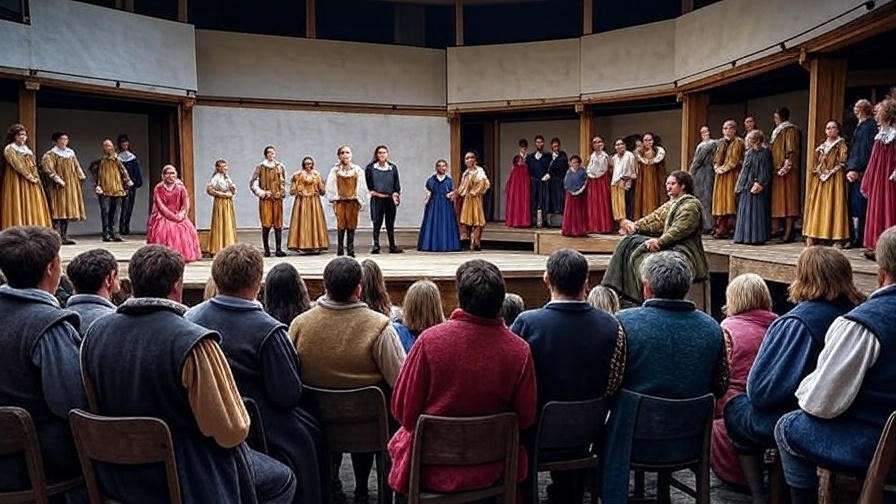
The Romantic period brought significant innovations to the stage, not just in writing but also in performance and design. One of the most notable changes was the move toward historical accuracy in costumes and settings. While earlier productions often used generic costumes, Romantic theatre embraced detailed designs that reflected the time and place of the story. This helped create a more immersive experience for audiences.
Stage design also grew more elaborate, with advances in scenography and special effects. Moving sets, dramatic lighting, and mechanical devices allowed for more spectacular performances, particularly in melodramas that demanded grand visual displays. Theatres became spaces where the impossible seemed possible — where storms, battles, and supernatural events could be convincingly staged.
Acting styles also shifted during this period. The rigid declamatory style of Neoclassical actors gave way to more natural and emotional performances. Actors sought to embody their characters with sincerity and passion, connecting with audiences on a deeper level. This move toward realism in acting paved the way for later innovations in performance during the realist and modernist movements.
Music played a larger role as well, with operatic influences seeping into dramatic productions. The combination of spoken word, song, and orchestration enhanced the emotional impact of performances, making Romantic theatre a multi-sensory experience. These innovations transformed the stage into a space of wonder, imagination, and emotional intensity.
Impact and Legacy of Romantic Period Theatre
The influence of Romantic period theatre extends far beyond its own time. By rejecting strict rules and embracing creativity, Romantic playwrights and performers opened the door for new movements in drama. Realism, naturalism, and even modern experimental theatre all owe a debt to the innovations of the Romantic era.
One of the most important legacies of Romantic theatre was its role in shaping national identity. By dramatizing historical events, legends, and folk traditions, playwrights helped cultivate cultural pride and unity. This was especially significant in countries like Germany, France, and Spain, where theatre became a tool of nationalism.
Romantic theatre also left a lasting mark on literature and film. Themes of the tragic hero, the sublime power of nature, and the struggle for freedom continue to appear in modern storytelling. The passion, intensity, and emotional depth of Romantic plays still inspire contemporary playwrights and directors.
Most importantly, Romantic theatre redefined the very purpose of drama. It showed that theatre could be more than entertainment — it could be a vehicle for exploring human emotions, challenging social norms, and inspiring audiences. Its spirit of innovation and imagination continues to shape the performing arts today.
Conclusion
Romantic period theatre was more than a movement; it was a revolution in the way stories were told on stage. Emerging out of a time of political upheaval and cultural transformation, it broke free from the restraints of Neoclassicism and embraced emotion, individuality, and the sublime. From Goethe and Schiller to Victor Hugo and Byron, Romantic playwrights reimagined theatre as a space for passion, rebellion, and creativity.
The innovations of Romantic theatre — in themes, performance, and design — laid the groundwork for modern drama. Its legacy endures not only in the plays themselves but in the freedom it gave artists to explore the full range of human experience. For theatre lovers, understanding Romantic drama offers a window into a pivotal moment in cultural history, when imagination conquered rules and emotion became the heart of performance.
FAQs About Romantic Period Theatre
What years define the Romantic period in theatre?
Generally, Romantic theatre flourished from the late 18th century through the mid-19th century.
How did Romantic theatre differ from Neoclassical theatre?
Romantic theatre rejected strict rules and rationality, focusing instead on imagination, individuality, and emotion.
Who were the most influential Romantic playwrights?
Key figures include Goethe, Schiller, Victor Hugo, Alexandre Dumas, Byron, and Shelley.
What themes were commonly explored in Romantic theatre?
Common themes include freedom, nature, the supernatural, national identity, and the struggle of the individual.
Why was Victor Hugo’s Hernani considered revolutionary?
It broke classical rules and sparked controversy, symbolizing the triumph of Romanticism over Neoclassicism.
How did Romantic theatre influence modern drama and stage design?
It introduced emotional acting, elaborate stage designs, and thematic freedom, paving the way for realism and modernism.
What role did the audience play in shaping Romantic theatre?
Audiences were highly engaged, often influencing performances with their reactions, including riots and debates.
Is Romantic theatre still performed today?
Yes, many Romantic plays are still staged worldwide, often studied for their historical and artistic significance.
You May Also Read: Goosefoot Herb