The Silk Floss Tree Benefits with its striking pink flowers and thorn-covered trunk, is one of nature’s most fascinating creations. Native to South America, particularly Brazil and Argentina, this tree is admired not only for its ornamental appeal but also for its wide range of benefits that span environmental, medicinal, cultural, and even economic aspects. In an age where sustainability and biodiversity are pressing concerns, understanding the true value of trees like the Silk Floss Tree becomes more important than ever.
Unlike ordinary garden trees, the Silk Floss Tree is both a showpiece and a powerhouse of natural advantages. Its vibrant blooms attract pollinators, its fibers have practical uses, and its deep roots protect soil integrity. Beyond aesthetics, this tree carries a legacy of traditional medicine and cultural symbolism that has endured through centuries. By the end of this article, you’ll see how this tree offers far more than meets the eye and why it deserves a special place in our environment and our hearts.
What Is the Silk Floss Tree?
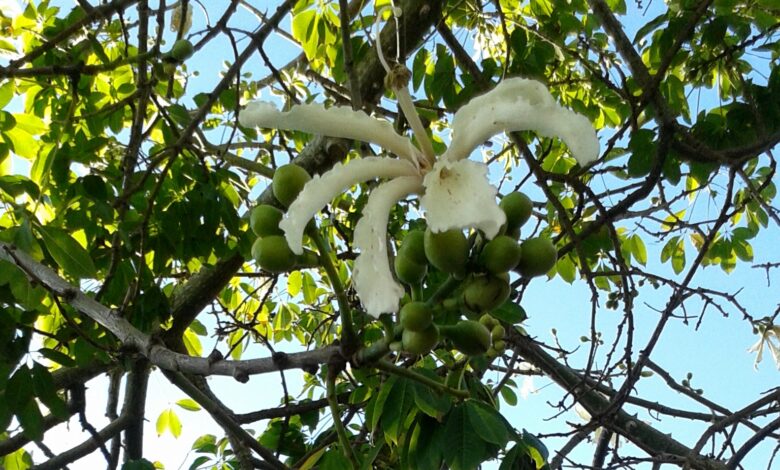
The Silk Floss Tree is a tropical deciduous tree belonging to the Malvaceae family. It can grow up to 50 feet tall, with a broad, umbrella-like canopy. Its most noticeable feature is the thorny trunk, which is covered with sharp conical spines, serving as a natural defense mechanism. During flowering season, the tree transforms into a spectacle of pink, purple, or white blossoms, attracting bees, butterflies, and hummingbirds. When the seed pods mature, they burst open to reveal silky fibers, giving the tree its common name.
Native to South America, the Silk Floss Tree thrives in warm, humid climates but has also adapted to urban settings in other regions of the world, including parts of the United States, Africa, and Asia. Its adaptability makes it a popular choice for landscapers seeking both beauty and resilience. Historically, indigenous communities revered this tree for its multiple uses, ranging from its fibers to its bark, and its symbolic presence in local myths. Today, it continues to enchant gardeners and environmentalists alike, standing as a living bridge between tradition and modern sustainability practices.
Environmental Benefits of the Silk Floss Tree

One of the greatest advantages of the Silk Floss Tree is its contribution to the environment. With its expansive canopy, it provides much-needed shade, cooling urban spaces and reducing the heat island effect common in cities. By releasing oxygen and absorbing carbon dioxide, it also plays a direct role in improving air quality and combating climate change. The dense foliage acts as a natural filter, trapping dust and pollutants, making the air healthier for surrounding communities.
The tree’s ecological role extends beyond air purification. Its vibrant flowers serve as a crucial nectar source for pollinators such as bees, butterflies, and hummingbirds. In turn, these pollinators help maintain biodiversity and support food systems. Additionally, the deep roots of the Silk Floss Tree stabilize the soil, preventing erosion during heavy rains. This makes it a valuable asset in regions prone to flooding or soil degradation. By serving both the ecosystem and human communities, the Silk Floss Tree exemplifies how ornamental plants can also function as environmental protectors.
Health and Medicinal Benefits
The Silk Floss Tree has long been used in traditional medicine across South America. Indigenous groups utilized different parts of the tree—including the bark, leaves, and seeds—for various remedies. Decoctions made from the bark were believed to treat fevers, respiratory issues, and digestive problems. The seeds were sometimes used for their oil, which was applied topically to soothe skin irritations. While scientific research on these practices is still limited, preliminary studies suggest that the tree may contain compounds with antioxidant and anti-inflammatory properties.
Herbalists often highlight the tree’s potential in natural healing, noting its role in strengthening the immune system and alleviating minor ailments. Some traditions even considered it a tonic for general wellness, reflecting its place in holistic health practices. Although more clinical studies are needed to validate these medicinal claims, the historical usage of the Silk Floss Tree underscores its importance as a natural resource. For modern wellness enthusiasts, it represents a bridge between traditional herbal remedies and the search for plant-based healing alternatives.
Economic and Practical Benefits
Beyond health and environmental contributions, the Silk Floss Tree also offers practical and economic benefits. The silky fibers from its seed pods were historically used as stuffing for pillows, mattresses, and life vests, thanks to their buoyant and water-resistant qualities. While synthetic materials have replaced them in large-scale industries, there is renewed interest in natural fibers for eco-friendly products, making the Silk Floss Tree relevant again in sustainable markets.
Its ornamental value cannot be overstated. Landscapers and city planners favor the Silk Floss Tree for its striking flowers and ability to withstand pollution, making it ideal for parks, boulevards, and gardens. In addition, the wood, though not as strong as hardwoods, is sometimes used for lightweight furniture or carvings. As consumer interest shifts toward sustainable living, the Silk Floss Tree’s diverse applications—from fibers to beautification—highlight its enduring economic value.
Cultural and Symbolic Importance
In addition to practical uses, the Silk Floss Tree holds cultural significance in many regions. In South America, it has been associated with resilience and protection, likely due to its thorn-covered trunk that defends against predators. Some indigenous traditions view the tree as sacred, symbolizing fertility and abundance. During festivals, its blooming season is often celebrated as a sign of renewal and beauty.
Artists, poets, and storytellers have long drawn inspiration from the Silk Floss Tree. Its dramatic flowers and unusual trunk features often serve as metaphors for strength, endurance, and hidden beauty. In modern landscaping, the tree continues to serve as a symbol of both nature’s artistry and practicality, blending tradition with contemporary aesthetics. Its cultural presence ensures that it is remembered not only as a tree of utility but also as one of deep symbolic resonance.
How to Grow and Care for a Silk Floss Tree
Growing a Silk Floss Tree requires attention to climate and soil conditions. It thrives best in tropical or subtropical environments with well-drained soil. While it prefers full sunlight, it can tolerate partial shade. When young, the tree requires regular watering, but once established, it becomes drought-tolerant, making it a low-maintenance option for many landscapes.
Gardeners should also be mindful of pests and diseases, though the Silk Floss Tree is generally hardy. Regular pruning can help maintain its shape and prevent overcrowding of branches. Given its eventual height and spread, it’s best planted in open spaces where it has room to grow without interfering with nearby structures. With proper care, the Silk Floss Tree rewards its caretakers with dazzling blooms and enduring benefits for decades.
Conclusion
The Silk Floss Tree is much more than a decorative plant. From its environmental role in supporting biodiversity and reducing pollution to its traditional medicinal uses and cultural symbolism, this tree stands out as a true gift of nature. Its practical applications, including ornamental landscaping and sustainable fiber production, only add to its value. In a world where the preservation of biodiversity is increasingly urgent, planting and protecting the Silk Floss Tree can make a meaningful difference. Embracing its beauty and benefits allows us to connect with nature while supporting a more sustainable future.
FAQs About Silk Floss Tree Benefits
Is the Silk Floss Tree suitable for home gardens?
Yes, but it requires ample space due to its large canopy and thorny trunk.
Can the silk fibers from the tree be used commercially?
Historically, yes. Today, they are being revisited for eco-friendly products.
Are there any risks or downsides to planting a Silk Floss Tree?
Its sharp thorns can be hazardous in small spaces, so it’s best for larger gardens or public landscapes.
Does the Silk Floss Tree have medicinal properties backed by science?
Some traditional uses are supported by preliminary studies, but more research is needed.
How long does it take for the Silk Floss Tree to flower?
It usually flowers after 5–10 years, depending on growing conditions.
What makes the Silk Floss Tree different from other ornamental trees?
Its unique combination of thorny trunk, vibrant blooms, and silky fibers set it apart.
Is the tree safe for pets and children?
While not toxic, the thorns can pose physical risks, so caution is advised.
You May Also Read: Family Listing