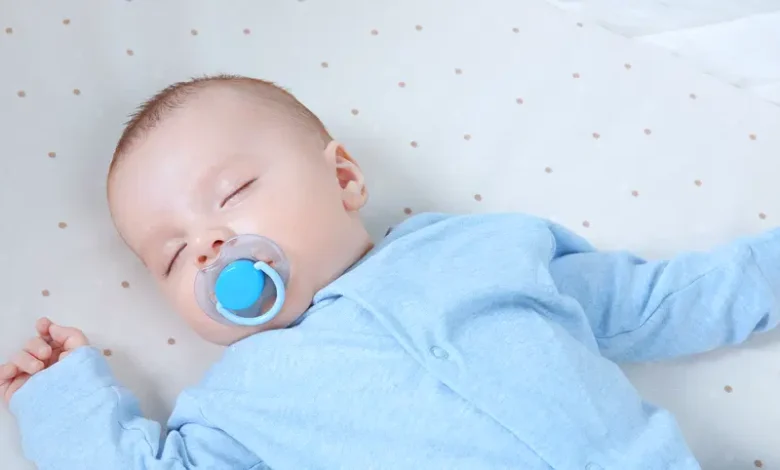
A when to stop dummy, or pacifier, is a common tool many parents use to soothe and comfort their infants. It can calm a fussy baby, help them fall asleep, and provide a sense of security during times of stress. While pacifiers are highly effective in the early months, prolonged use can sometimes lead to dental, speech, or behavioral issues if not phased out at the appropriate time. Understanding when to stop dummy use is essential for a child’s healthy development, and it can make the weaning process smoother for both parents and children.
Knowing the ideal timing for discontinuing pacifier use is more than just a guideline—it is about reading your child’s readiness and balancing comfort with long-term health. Parents often worry about tantrums or sleep disruptions when When to Stop Dummy use. However, with strategic planning, positive reinforcement, and patience, the process can be handled effectively. This article aims to guide parents through the signs that indicate readiness, practical strategies for weaning, and the benefits of stopping dummy use.
The goal is to equip parents with both knowledge and actionable tips. From identifying behavioral cues to implementing gradual or immediate cessation techniques, we’ll explore comprehensive strategies to make giving up the pacifier a positive and developmental milestone. By the end, you’ll understand why timing, preparation, and consistency are key to helping your child let go of their When to Stop Dummy with confidence.
Understanding the Use of a When to Stop Dummy
What is a Dummy and Why Babies Use It
A When to Stop Dummy is more than just a soothing object; it fulfills an innate need for sucking, which is a natural reflex in infants. Newborns often find comfort in the rhythmic motion of sucking, which can reduce anxiety and help them self-soothe during stressful moments. Pacifiers are also effective tools for helping babies sleep, especially during naps and bedtime routines, because the sucking action can be calming and promote relaxation.
In addition to emotional comfort, dummies serve an important oral developmental function. Sucking can strengthen the jaw and mouth muscles necessary for feeding and future speech. Many parents introduce pacifiers to supplement breastfeeding, especially if babies have a strong need to suck beyond feeding times. Furthermore, dummies can provide a sense of security in unfamiliar environments, such as during travel or doctor visits.
Despite these benefits, extended use beyond the recommended age can create dependency, making it challenging for children to self-soothe without the pacifier. Understanding the initial purpose of a When to Stop Dummy helps parents recognize when the comfort it provides is starting to interfere with developmental milestones such as speech, social interaction, and oral health.
Common Age Ranges for When to Stop Dummy Use
Most babies are introduced to pacifiers within the first few months of life. During this period, dummies are highly beneficial in reducing stress, promoting sleep, and providing comfort during teething. Generally, experts recommend using a pacifier from birth up to around 12 months, although some children may continue use beyond this age depending on their personal attachment.
The ideal timeframe for weaning off a When to Stop Dummy is often between 12 and 24 months. During this stage, children start developing self-soothing techniques and can rely on other forms of comfort, such as blankets or stuffed animals. Extending pacifier use past age two can increase the risk of dental problems, delayed speech, and emotional dependency.
However, it’s important to recognize that every child develops differently. While some toddlers can give up a When to Stop Dummy almost naturally, others may need gentle guidance and support. Being aware of age guidelines provides a helpful framework, but parents should also observe behavioral and developmental cues to determine the best timing for their child.
Potential Risks of Prolonged Dummy Use
While pacifiers offer significant benefits, prolonged use can have consequences. One major concern is dental development. Continuous sucking beyond the toddler years may lead to misaligned teeth, overbite, or bite irregularities, which can require orthodontic intervention later. Another area of concern is speech development. Extended pacifier use can impede clear pronunciation, reduce opportunities for verbal interaction, and potentially delay language acquisition.
Emotional dependency is also a factor. When children rely heavily on a pacifier for comfort, it can become challenging for them to manage stress or self-soothe independently. Socially, prolonged dummy use may interfere with peer interactions, as children may struggle with sharing, communication, and expressing emotions without the object of comfort.
Recognizing these potential risks underscores the importance of timely weaning. While no child develops the same issues at the same rate, being proactive helps parents avoid long-term complications and encourages the development of healthy habits and independence.
Signs Your Child is Ready to Stop Using a Dummy
Behavioral Indicators
One of the clearest signs that a child is ready to give up a dummy is behavioral change. If a child shows less interest in their pacifier, it indicates growing independence and comfort in managing emotions without external tools. Children may start using other methods of self-soothing, such as hugging a favorite toy or seeking parental comfort through words rather than sucking.
Another behavioral cue is their ability to handle brief periods of stress without the pacifier. Children who can remain calm during minor frustrations or discomfort without immediately reaching for a dummy are often ready for weaning. Observing these signs allows parents to approach the transition confidently, knowing their child has the emotional readiness for the next stage of development.
Physical and Developmental Indicators
Physical readiness can also guide the decision to stop pacifier use. Proper oral development, including emerging teeth and jaw structure, is crucial. Children who have developed the ability to self-soothe without relying on sucking are often ready to part with their pacifier. Improved speech clarity and the ability to articulate needs verbally are additional developmental indicators that suggest readiness for dummy cessation.
Monitoring these milestones ensures that weaning does not interfere with ongoing growth or comfort. Children who exhibit both emotional and physical readiness typically experience a smoother transition, reducing stress for both the child and the parents.
Emotional Readiness
Emotional readiness is equally important. Children who can tolerate minor discomfort, adapt to changes in routine, and respond positively to encouragement are more likely to successfully give up a dummy. It’s essential for parents to foster a supportive environment, explaining the reasons for the change in simple terms and providing reassurance throughout the process.
Children who understand limits and can respond to positive reinforcement often achieve quicker success. By aligning emotional readiness with developmental milestones, parents can implement strategies that feel natural and supportive, rather than abrupt or punitive.
Strategies to Help Your Child Give Up the Dummy
Gradual Weaning Methods
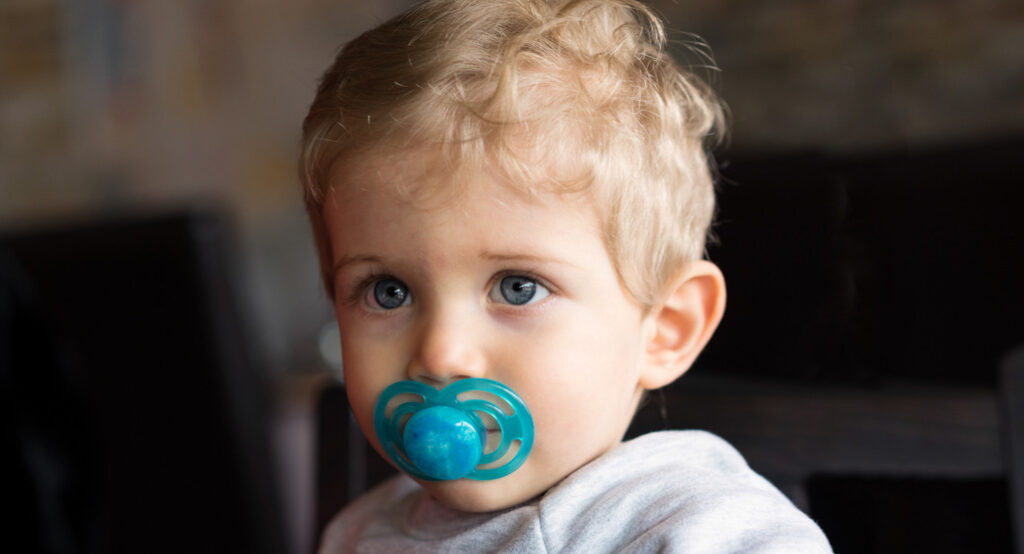
Gradual weaning is one of the most effective strategies for pacifier cessation. Parents can start by reducing dummy use during the daytime, gradually limiting it to naps or bedtime. This slow reduction allows the child to adjust while still maintaining comfort in key moments. Over time, the duration of use is shortened until the dummy is no longer needed at all.
Consistency is crucial in this method. Parents should ensure all caregivers follow the same approach to prevent confusion. Positive reinforcement, patience, and gentle reminders help children feel supported rather than pressured during this gradual transition.
Cold Turkey Method
Some parents opt for a “cold turkey” approach, removing the pacifier entirely in a single step. While effective, this method can be challenging and may provoke temporary tantrums or sleep disruptions. Preparing the child emotionally by explaining the change, providing comfort, and offering distractions can reduce resistance.
Despite initial struggles, many children adapt quickly when guided with reassurance. Cold turkey may work best for children showing clear behavioral and emotional readiness, as gradual methods may prolong dependency if the child is ambivalent.
Positive Reinforcement and Reward Systems
Using positive reinforcement can make the transition more appealing. Praise, stickers, or small rewards for milestones help motivate children and create a sense of achievement. Celebrating success encourages confidence and reduces resistance to change.
This approach also turns the process into a fun, engaging activity rather than a stressful one. By focusing on encouragement rather than punishment, parents reinforce independence while maintaining a positive emotional connection with their child.
Practical Tips for Parents
Patience and consistency are key throughout the weaning process. Parents should anticipate occasional relapses and handle them without frustration. Creating a supportive environment, maintaining predictable routines, and offering comfort alternatives, like stuffed animals or bedtime stories, can ease the transition.
Engaging children in the process, explaining the reasons for giving up the dummy, and involving them in celebrations of progress reinforces positive behavior. A calm, understanding approach ensures that giving up the pacifier becomes a developmental milestone rather than a source of stress.
Benefits of Stopping Dummy Use
Dental and Oral Health Benefits
Discontinuing pacifier use promotes proper teeth alignment and jaw development. Reducing the risk of bite issues ensures fewer orthodontic interventions later in life. Healthy oral development also supports effective chewing and speaking skills.
Speech and Language Development
Giving up a dummy encourages clearer pronunciation and better communication skills. Children who rely less on sucking are more likely to engage in verbal interaction, fostering confidence and improving social connections.
Emotional and Behavioral Growth
Stopping dummy use enhances independence, self-soothing abilities, and resilience. Children learn to manage emotions without external objects, which contributes to confidence and emotional maturity. The transition fosters growth that extends beyond infancy into early childhood development.
Conclusion
Knowing when to stop dummy use is essential for a child’s overall development. By recognizing behavioral, physical, and emotional readiness, parents can implement strategies that suit their child’s unique needs. Whether using gradual weaning, cold turkey, or positive reinforcement, consistency, patience, and support are crucial. Giving up the pacifier promotes dental health, speech development, and emotional growth, helping children build independence and confidence. With the right approach, this milestone becomes a positive experience for both child and parent.
FAQs
At what age should I stop giving my child a dummy?
Most experts recommend stopping between 12 and 24 months, depending on readiness.
What are the best methods to help a child give up a pacifier?
Gradual weaning, cold turkey, and positive reinforcement are effective strategies.
Can stopping a dummy suddenly affect my child emotionally?
It may cause temporary distress, but reassurance and comfort can ease the process.
Are there any long-term effects of prolonged dummy use?
Prolonged use can impact dental alignment, speech development, and emotional dependency.
How can I make the weaning process less stressful for my child?
Use positive reinforcement, create consistent routines, and offer comfort alternatives.
Is it okay to use a dummy at night after stopping daytime use?
Some parents use this approach temporarily, but gradual full cessation is recommended for long-term benefits.
How can I encourage my child to give up a dummy willingly?
Praise milestones, explain the benefits in simple terms, and make the process fun and engaging.
You May Also Read: Careers That Start With B