Goosefoot Herb In the world of herbal medicine and natural remedies, some plants stand out because of their historical significance, nutritional value, and versatility. One such plant is the goosefoot herb, also known by its scientific name Chenopodium. Often overlooked as a common weed, goosefoot herb has been a staple in traditional diets and healing systems for centuries. Found growing in fields, gardens, and even along roadsides, this humble herb has earned a reputation as a nutrient-dense wild food that provides both medicinal and culinary benefits.
In many cultures, goosefoot was treasured not only as a survival food but also as a plant with healing potential. From ancient civilizations in Asia to Native American communities, its leaves, seeds, and even roots were used in diverse ways. Today, as people turn back to natural wellness and sustainable eating, goosefoot herb is being rediscovered for its role as a health-promoting green. This article explores everything you need to know about goosefoot herb—from its nutrition and medicinal uses to cultivation, cooking, and safety considerations.
What is Goosefoot Herb?
Goosefoot herb belongs to the Amaranthaceae family, a group of plants that includes spinach, quinoa, and amaranth. Its scientific classification is Chenopodium album, though there are several species within the genus. The name “goosefoot” comes from the shape of its leaves, which resemble the footprint of a goose. Depending on the region, it is also known as lamb’s quarters, fat-hen, pigweed, or wild spinach.
Native to Europe and Asia, goosefoot has spread widely and can now be found across North America, Africa, and other parts of the world. It thrives in disturbed soils, which is why it often appears in farmlands, backyards, and neglected plots. Though many gardeners consider it a weed, herbalists and foragers see it as a valuable resource. Its resilience and ability to grow without much human intervention make it an accessible wild plant for food and medicine.
Nutritional Profile of Goosefoot Herb
Goosefoot herb is rich in nutrients, making it a powerful addition to any diet. Its leaves are loaded with vitamins such as Vitamin A, which supports vision and immunity, and Vitamin C, known for its antioxidant properties and role in collagen production. It also provides a good amount of calcium and iron, essential minerals for bone health and oxygen transport. Unlike many wild greens, goosefoot has a pleasant flavor that makes it easier to incorporate into meals.
In addition to its vitamin and mineral content, goosefoot contains phytochemicals and antioxidants that help fight free radicals in the body. These compounds play a role in reducing oxidative stress, which has been linked to chronic diseases. Compared with cultivated greens like spinach or kale, goosefoot often provides similar or even higher levels of nutrients. This explains why ancient communities relied on it as a survival food during lean seasons.
Medicinal Benefits of Goosefoot Herb
For centuries, goosefoot herb has been used in traditional medicine systems for its healing effects. One of its most well-known benefits is its ability to aid digestion. Consuming goosefoot can help relieve constipation and promote healthy bowel movements due to its fiber content. Traditional healers also used it to treat stomach upsets and bloating.
The herb is believed to have anti-inflammatory properties, making it beneficial for people dealing with joint pain or skin irritations. Its rich antioxidant profile further strengthens the immune system, helping the body defend itself against infections. In Ayurvedic and folk medicine, goosefoot has also been used as a mild detoxifying agent, supporting the liver and kidneys in eliminating toxins. Regular consumption of the herb in moderate amounts can contribute to overall vitality, skin health, and even improved hair quality.
Culinary Uses of Goosefoot Herb
Goosefoot herb is not just medicine—it’s also food. Many cultures have included it in their traditional recipes for centuries. In India, for example, the leaves are cooked into curries and flatbreads, while in Europe they were once a common green vegetable before spinach became widely cultivated. The tender leaves can be sautéed like spinach, added to soups, or used as a nutritious filling for pies and dumplings.
The seeds of goosefoot can also be harvested and ground into flour, similar to quinoa, which is actually a close relative. Though the seeds are smaller and harder to process, they provide protein and fiber. For those who enjoy experimenting in the kitchen, goosefoot herb can be used to create herbal teas, pestos, and smoothies. Its mild, earthy flavor pairs well with garlic, onions, and other herbs, making it versatile in modern cooking.
How to Grow and Harvest Goosefoot Herb
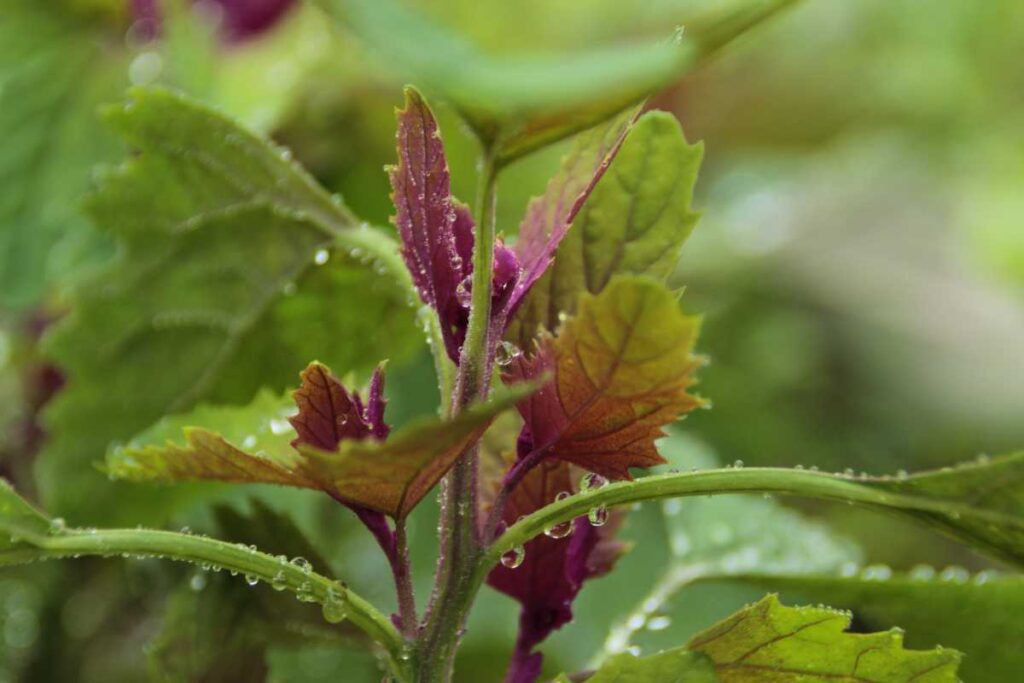
Growing goosefoot herb is simple, as it requires very little care. It prefers well-drained soil and full sunlight but can adapt to a variety of environments. Gardeners often find it sprouting on its own, as its seeds are highly resilient. For intentional cultivation, seeds can be sown directly into the soil during spring, and within weeks, edible leaves are ready to harvest.
Harvesting should be done carefully to ensure the plant continues to grow. The young leaves are the most tender and nutritious, making them ideal for consumption. If foraging, it is important to pick goosefoot from clean areas, away from roadsides or polluted lands. Sustainable harvesting involves taking only what you need, leaving enough behind for the plant to regenerate and for wildlife that depends on it.
Potential Side Effects and Precautions
While goosefoot herb is highly nutritious, it should be consumed with caution in certain situations. The plant contains oxalates, which in large amounts can contribute to kidney stones or interfere with calcium absorption. People with kidney issues or a history of oxalate-related conditions should limit their intake. Cooking the leaves can reduce oxalate content and make the herb safer to eat.
In rare cases, some individuals may experience allergic reactions. It is always best to introduce any new wild plant slowly into the diet to test tolerance. Pregnant and breastfeeding women should consult a healthcare provider before consuming goosefoot herb in medicinal amounts. As with any herbal remedy, moderation is key, and proper knowledge ensures safe and beneficial use.
Conclusion
Goosefoot herb may appear to be an ordinary weed, but its nutritional and medicinal potential is extraordinary. From supporting digestion and immunity to serving as a versatile food source, this plant proves why traditional cultures valued it so highly. With growing interest in natural remedies and sustainable foods, goosefoot herb is making a well-deserved comeback. Whether enjoyed as a leafy green, brewed into tea, or harvested for its seeds, it offers a unique way to connect with nature’s abundance.
FAQs About Goosefoot Herb
What is the scientific name of goosefoot herb?
The most common species is Chenopodium album, though several species belong to the goosefoot family.
Is goosefoot herb safe to eat raw?
Yes, but it is recommended to consume it in moderation or cook it to reduce oxalate levels.
Can goosefoot herb be used in herbal teas?
Yes, the leaves can be dried and brewed into a mild herbal tea with digestive benefits.
What are the main health benefits of goosefoot herb?
It supports digestion, boosts immunity, reduces inflammation, and provides essential nutrients.
Are there any risks of consuming goosefoot herb daily?
Excessive intake may increase oxalate levels, so moderation is important.
How does goosefoot herb compare to spinach in nutrition?
It is nutritionally similar, sometimes richer in vitamins and minerals than cultivated spinach.
Where can I find goosefoot herb seeds for planting?
Seeds are available from specialty seed companies, online stores, or by foraging.
What is the best way to store harvested goosefoot leaves?
Fresh leaves can be refrigerated for a few days or blanched and frozen for longer storage.
You May Also Read: What Is Khaki Made Of