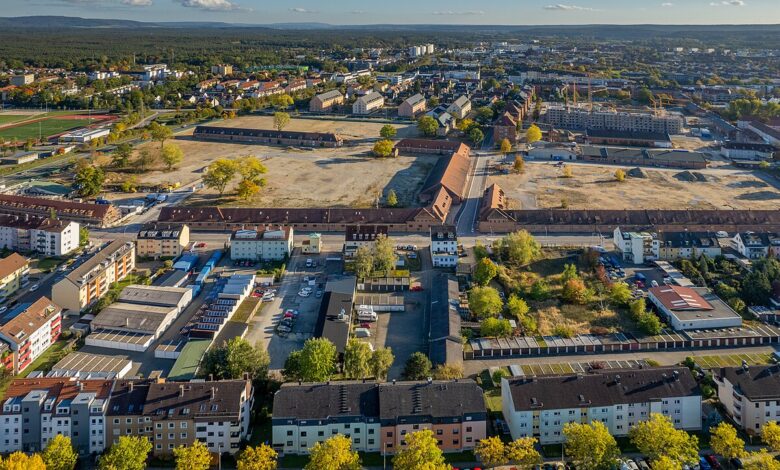
Warner Barracks is one of the most historically significant U.S. Army bases that once stood in Bamberg, Germany. For decades, this installation played a central role in European defense, NATO cooperation, and U.S.–German relations. From its origins as a German military site to its transformation under American control after World War II, warner barracks became more than just a military base—it grew into a community that shaped the cultural and economic life of Bamberg.
The name “Warner Barracks” itself carries symbolic meaning, commemorating Cpl. Henry Warner, a Medal of Honor recipient who died heroically in battle during World War II. While the base officially closed in 2014, its history continues to live on in the memories of soldiers, veterans, and Bamberg residents who experienced life during its operational years.
This article explores the complete story of Warner Barracks—from its founding to its legacy—providing a detailed look into how this installation influenced military history and the lives of countless people.
Origins and Early History of Warner Barracks
The origins of Warner Barracks date back to the early 20th century when it was constructed as part of the German military infrastructure. Initially used by the Bavarian Army and later the Wehrmacht, the site included training grounds, barracks, and administrative facilities. It was strategically positioned in Bamberg, a city that offered both accessibility and military advantages.
Following the end of World War II, the site fell under Allied control and was eventually taken over by the U.S. Army. In recognition of heroism and sacrifice, the barracks were renamed after Cpl. Henry Warner, who demonstrated extraordinary bravery during the Battle of Bütgenbach in 1944. This renaming marked the beginning of a new chapter for the base, symbolizing American dedication and military presence in postwar Germany.
During this transition, Warner Barracks became not only a military hub but also a statement of U.S. commitment to rebuilding Europe and deterring future conflicts. The early years established its identity as a vital U.S. stronghold, paving the way for decades of American military life in Bamberg.
Warner Barracks During the U.S. Army Era
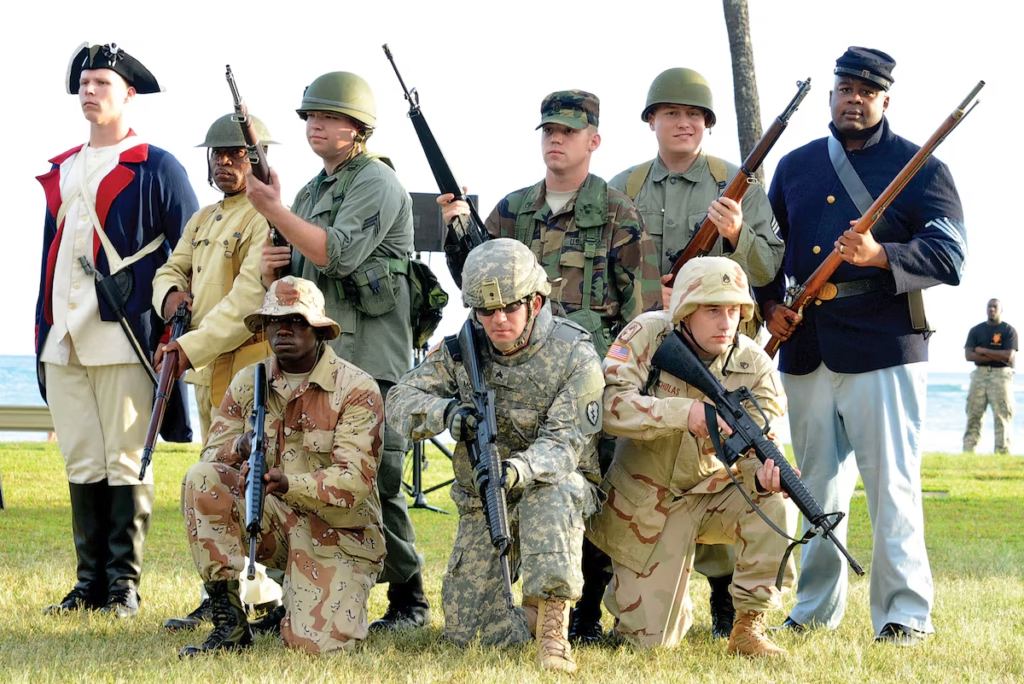
For more than half a century, Warner Barracks was a cornerstone of U.S. military operations in Germany. It hosted numerous units, including the 1st Infantry Division, 279th Base Support Battalion, and 54th Engineer Battalion, among others. Its role expanded significantly during the Cold War when U.S. military presence in Europe was essential to counter the Soviet threat.
Life inside Warner Barracks was a unique blend of military discipline and community spirit. The base contained housing areas, schools, medical facilities, and recreational centers designed to support soldiers and their families. American children grew up in Bamberg, attending Department of Defense schools while their parents served in various military capacities. The installation was often described as a “little America” in the heart of Germany, complete with commissaries, movie theaters, and sports fields.
Training and readiness were key priorities. Soldiers stationed at Warner Barracks regularly conducted exercises on nearby training grounds, preparing for rapid deployment if tensions escalated. The base’s geographical position in Bavaria made it a strategic hub, reinforcing NATO’s defense posture. Warner Barracks thus served dual purposes: ensuring military readiness and providing a stable home for thousands of American families overseas.
Impact on Bamberg and Local Community
Warner Barracks left a profound mark on the city of Bamberg and its residents. Economically, the U.S. Army provided a steady flow of jobs and business opportunities. Local contractors, suppliers, and service providers benefitted from the presence of thousands of Americans. Restaurants, shops, and entertainment venues in Bamberg often catered to U.S. soldiers and their families, creating a mutually beneficial relationship between the base and the local economy.
Culturally, the influence of American traditions and lifestyles became visible throughout Bamberg. Music, sports, and even holiday celebrations introduced new elements into the local culture. Many German residents fondly remember friendships with American families and the cultural exchanges that enriched both communities. English became more commonly spoken, and students from Bamberg often engaged in programs with U.S. schools, enhancing cross-cultural understanding.
However, the relationship was not without challenges. Some residents expressed concerns over noise, traffic, or cultural differences. Yet, overall, Warner Barracks fostered a legacy of cooperation and coexistence. The bonds formed between Americans and Germans often lasted long after deployments ended, highlighting the human dimension of the base’s impact beyond military operations.
Closure of Warner Barracks and Its Aftermath
The closure of Warner Barracks was part of a broader realignment of U.S. military forces in Europe. Announced in the early 2000s, the decision aimed to consolidate bases and reduce the overall footprint of U.S. forces in Germany. By 2014, the last American units had departed Bamberg, officially marking the end of an era.
The closure had immediate consequences for Bamberg’s economy. Businesses that had long relied on American customers faced declining sales, and jobs connected to the base were lost. The city, however, saw the closure as an opportunity to repurpose the land for civilian use. Redevelopment plans included housing projects, business parks, and cultural facilities designed to integrate the site into the broader community.
Today, Warner Barracks stands as a transformed space. While much of the military infrastructure has been adapted for civilian purposes, traces of its past remain. Former soldiers and their families often return to Bamberg to visit, reflecting on their years of service and the friendships they built. The closure may have ended U.S. military activity, but the memory of Warner Barracks continues to resonate in both American and German history.
Legacy and Historical Significance
Warner Barracks represents far more than just a military installation. Its legacy is tied to the broader narrative of U.S.–German cooperation after World War II. During the Cold War, it symbolized the strength of NATO and the determination to defend democratic values against authoritarian threats.
For veterans and their families, Warner Barracks remains a place of personal significance. Many remember it as the location where they built lifelong friendships, experienced personal growth, and served their country. Online communities and reunions keep these memories alive, ensuring that the base’s legacy endures even after its closure.
From a historical perspective, Warner Barracks serves as a reminder of the interconnectedness of military presence and civilian life. Its story highlights how military bases can influence not only global strategy but also local culture and everyday experiences. By preserving its history, Bamberg and the international community honor the sacrifices and contributions of those who lived and served there.
Conclusion
The story of Warner Barracks is one of transformation, resilience, and legacy. From its origins as a German military site to its decades as a U.S. Army base and its eventual closure, Warner Barracks reflects the shifting tides of global politics and local adaptation. It played a vital role in shaping NATO defense, supported thousands of American families, and deeply influenced the city of Bamberg.
While the barracks no longer serve a military purpose, their memory continues to live on through historical preservation and the personal stories of those who served there. Warner Barracks remains a symbol of international cooperation, cultural exchange, and the enduring bond between Germany and the United States.
FAQs About Warner Barracks
Where was Warner Barracks located?
Warner Barracks was located in Bamberg, Bavaria, Germany.
Why was Warner Barracks named after Cpl. Henry Warner?
The barracks were named to honor Cpl. Henry Warner, a Medal of Honor recipient who displayed exceptional bravery during World War II.
What U.S. Army units were stationed at Warner Barracks?
Major units included the 1st Infantry Division, 279th Base Support Battalion, and 54th Engineer Battalion, among others.
When did Warner Barracks officially close?
The base officially closed in 2014 after the departure of the last American units.
What happened to the Warner Barracks site after the closure?
The site was redeveloped for civilian use, including housing, businesses, and community projects.
Can visitors still see Warner Barracks today?
Yes, parts of the former base are accessible, although much of it has been repurposed.
How did Warner Barracks affect the city of Bamberg economically and culturally?
It boosted the local economy, created jobs, and introduced American cultural influences that remain visible today.
Is there a museum or memorial dedicated to Warner Barracks?
While there is no standalone museum, local exhibits and memorials in Bamberg preserve its history and honor its significance.
You May Also Read: Lifestory