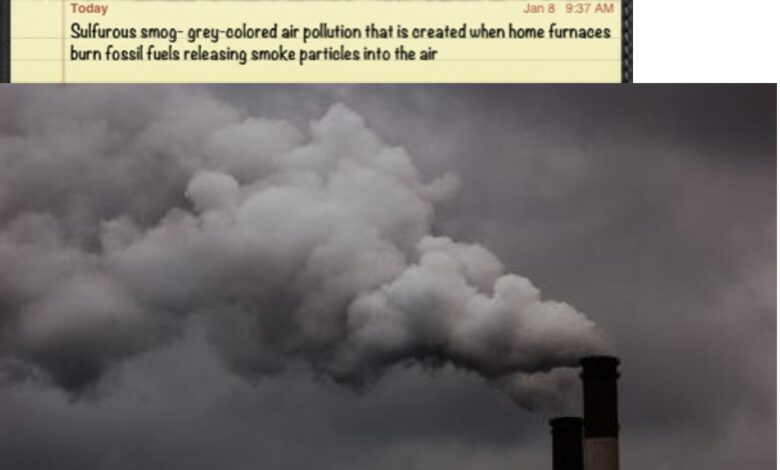
Air pollution is one of the greatest challenges facing humanity, and smog has long stood as its most visible and harmful manifestation. While modern society is often concerned about photochemical smog caused by car emissions and industrial pollutants, another type—sulphurous smog—has played an equally important role in environmental history. Often referred to as “London smog” or “classic smog”, sulphurous smog is primarily the result of burning coal and releasing large amounts of sulfur dioxide into the atmosphere.
Sulphurous smog has had a significant influence on human health, the environment, and public policy. Its thick, choking presence once blanketed major industrial cities, creating hazardous conditions that led to widespread illness and even death. Understanding this type of smog not only helps us appreciate the strides we have made in clean air legislation but also reminds us of the potential dangers of air pollution if left unchecked.
In this article, we will explore the meaning and formation of sulphurous smog, revisit its infamous historical episodes, assess its devastating impacts on both human health and the environment, and look at the measures taken globally to prevent its recurrence.
Understanding Sulphurous Smog
Definition and Characteristics
Sulphurous smog is a form of air pollution that occurs when sulfur dioxide (SO₂) mixes with particulate matter and moisture in the air. This combination forms a thick, yellowish or gray haze that reduces visibility and creates dangerous breathing conditions. Unlike photochemical smog, which thrives in sunny climates due to reactions involving nitrogen oxides and hydrocarbons, sulphurous smog develops in cold, damp conditions where coal burning is prevalent.
The defining feature of sulphurous smog is its heavy concentration of sulfur compounds, which makes it highly acidic and corrosive. This acidity is what causes damage not only to human lungs but also to crops, forests, and buildings. Its dense, smoky appearance has earned it the nickname “pea soup fog,” particularly in reference to the deadly fogs that plagued London in the 19th and 20th centuries.
Formation Process
The process of sulphurous smog formation begins with the combustion of coal or other sulfur-rich fossil fuels. When burned, these fuels release large amounts of sulfur dioxide into the air. In damp and cold weather, SO₂ undergoes oxidation, turning into sulfur trioxide (SO₃). This compound then reacts with water vapor to form sulfuric acid droplets, which cling to dust particles and smoke suspended in the atmosphere.
The result is a toxic blanket of smog that can last for days or even weeks if atmospheric conditions trap the pollutants close to the ground. One of the key meteorological phenomena that intensifies smog is temperature inversion, a situation where warm air traps cooler air near the surface. Under these conditions, pollutants cannot disperse, leading to dangerously concentrated levels of sulphurous smog in urban areas.
Historical Perspective of Sulphurous Smog
The Great Smog of London (1952)
No discussion of sulphurous smog is complete without mentioning the Great Smog of London in December 1952. For five days, the British capital was engulfed in a thick, yellow-black fog caused by a combination of cold weather, coal burning, and stagnant air. Visibility dropped to a few feet, halting public transport, while thousands of people experienced severe respiratory distress.
The human toll was staggering. It is estimated that around 4,000 people died in the immediate aftermath, with later studies suggesting the total death toll exceeded 12,000. Tens of thousands more were hospitalized due to bronchitis, pneumonia, and other respiratory illnesses. This tragic event served as a turning point in environmental awareness, spurring the creation of the Clean Air Act of 1956 in the UK, which restricted the use of coal in urban areas.
Other Notable Smog Events Worldwide
While the Great Smog of London is the most infamous example, sulphurous smog has been a global issue. In Donora, Pennsylvania, in 1948, a similar smog event led to 20 deaths and widespread illness in a steel-producing town. Other industrial hubs in Europe and Asia also experienced recurring episodes of sulphurous smog throughout the 20th century.
These events collectively highlighted the dangers of unchecked coal burning and inadequate air quality regulations. They also demonstrated that sulphurous smog was not confined to one region but rather a widespread problem in industrialized societies.
Health and Environmental Impacts of Sulphurous Smog
Human Health Effects
The health risks of sulphurous smog are severe and well-documented. In the short term, exposure leads to irritation of the eyes, nose, and throat, persistent coughing, and difficulty breathing. Asthma attacks and acute bronchitis often worsen during smog events, particularly among children and the elderly.
The long-term impacts are even more alarming. Continuous exposure to sulphurous smog increases the risk of chronic respiratory diseases such as emphysema, chronic bronchitis, and lung cancer. Studies have also linked prolonged exposure to cardiovascular problems, including heart attacks and strokes. The acidic nature of the smog damages delicate lung tissue, weakening the body’s ability to fight infections and recover from illness.
Environmental and Ecological Effects
Sulphurous smog is not only harmful to humans but also to the natural environment. One of its most destructive consequences is the formation of acid rain, which occurs when sulfuric acid droplets in the atmosphere mix with precipitation. Acid rain damages forests by leaching nutrients from the soil, harms aquatic life by acidifying rivers and lakes, and reduces agricultural productivity by destroying crops.
In addition, sulphurous smog contributes to the corrosion of buildings and monuments. Historic stone structures, particularly those made of limestone and marble, have been irreversibly damaged by decades of acidic pollution. The cultural and economic costs of repairing or preserving such landmarks add to the long list of consequences caused by this form of smog.
Prevention and Control of Sulphurous Smog
Government Policies and Regulations
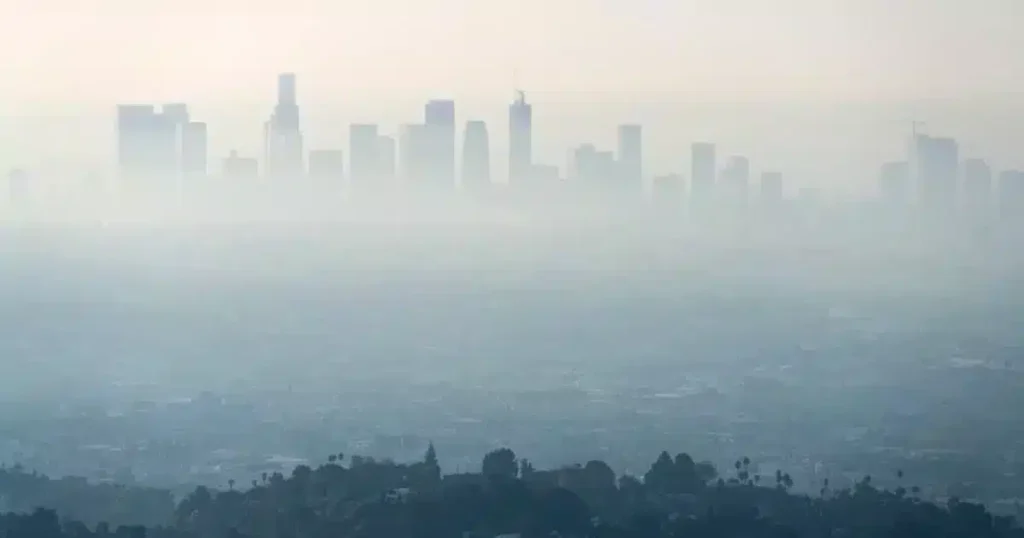
The devastation caused by sulphurous smog events prompted governments to take decisive action. The UK’s Clean Air Act of 1956 was one of the earliest and most influential policies, mandating the use of smokeless fuels in cities. In the United States, the Clean Air Act of 1970 set nationwide standards for air quality, targeting sulfur dioxide emissions among other pollutants.
On a global level, agreements such as the Gothenburg Protocol have aimed to reduce transboundary air pollution, showing that international cooperation is essential in tackling smog. These regulations have dramatically reduced sulphurous smog events in developed nations, proving the effectiveness of policy-driven change.
Technological and Industrial Solutions
Industries have adopted various technologies to cut down sulfur emissions. Flue-gas desulfurization units, commonly known as scrubbers, remove sulfur dioxide from the exhaust gases of power plants. Cleaner fuels with lower sulfur content have also been introduced, and in many regions, coal has been largely replaced by natural gas and renewable energy sources.
The move toward sustainable energy not only reduces sulphurous smog but also helps combat climate change, making it a win-win solution for both public health and the planet.
Individual and Community Actions
While large-scale solutions are vital, individuals and communities also play an important role. Reducing reliance on fossil fuels, conserving energy, and supporting clean-energy initiatives can collectively make a difference. Public awareness campaigns and education are also crucial in ensuring that people understand the dangers of air pollution and the importance of sustainable living.
Conclusion
Sulphurous smog, once a deadly and recurring menace in industrial cities, stands as a reminder of the dangers posed by unchecked air pollution. Defined by its sulfur-rich composition and devastating health effects, it left its mark on history through events like the Great Smog of London. Its impacts on human health, ecosystems, and cultural heritage are profound, making it one of the most studied forms of smog.
Thanks to scientific research, government intervention, and technological progress, sulphurous smog has been largely brought under control in many parts of the world. However, the threat of air pollution remains real, particularly in developing nations where coal use is still widespread. By learning from history, strengthening regulations, and embracing clean energy, societies can ensure that the tragedies of sulphurous smog remain in the past.
FAQs about Sulphurous Smog
What is the difference between sulphurous smog and photochemical smog?
Sulphurous smog forms in cold, damp conditions from coal burning and sulfur dioxide, while photochemical smog occurs in sunny climates and results from nitrogen oxides and hydrocarbons reacting with sunlight.
Why is sulphurous smog also called “London smog”?
It earned this name because it was most famously associated with London, especially during the Great Smog of 1952.
How did the Great Smog of 1952 influence modern clean air laws?
The tragedy led to the UK’s Clean Air Act of 1956, one of the first comprehensive air pollution control laws in the world.
What are the main health risks linked to sulphurous smog?
Health risks include respiratory diseases like bronchitis and emphysema, cardiovascular problems, and increased risk of premature death.
Can sulphurous smog still occur today despite stricter regulations?
Yes, while rare in developed countries, sulphurous smog can still occur in regions where coal burning is common and air pollution regulations are less strict
You May Also Read: Cold Type