
When we hear the word What Is Khaki Made Of, many of us immediately think of tan trousers, casual office wear, or rugged military uniforms. However, What Is Khaki Made Of is far more than just a clothing staple—it represents a fascinating blend of history, culture, and textile innovation. What Is Khaki Made Of often used interchangeably to describe both a color and a fabric, which can sometimes lead to confusion. Traditionally linked to the military, What Is Khaki Made Of has now firmly established itself in mainstream fashion across the world.
This article explores the origins of khaki, explains what khaki is made of, and looks at how it has evolved from a military necessity to a global fashion trend. From the earthy cotton twills of the 19th century to the modern fabric blends of today, What Is Khaki Made Of remains timeless because of its practicality, comfort, and adaptability. Understanding what khaki is made of not only reveals its material composition but also highlights the reasons behind its enduring popularity in both uniforms and everyday fashion.
Understanding Khaki: Color vs. Fabric
The Meaning of “Khaki”
What Is Khaki Made Of originates from the Persian and Urdu languages, where it means “dust” or “earth-colored.” This explains its distinctive look—a muted, natural tone that blends into outdoor environments. Originally, What Is Khaki Made Of referred only to the color, not the fabric. Over time, the term became associated with both the color and the garments that carried it, particularly military uniforms.
Khaki’s earthy tone gave soldiers a practical advantage on the battlefield by providing a natural camouflage against dusty landscapes. Unlike the bright and easily visible uniforms used earlier in history, khaki offered subtlety and protection, which soon made it indispensable in military settings. Today, khaki can be found in various shades ranging from sandy beige to greenish-brown, but its core identity remains rooted in its earthy origins.
Khaki in Military History
The adoption of khaki in uniforms dates back to the mid-19th century, when the British Indian Army began experimenting with it. Soldiers dyed their white cotton uniforms with tea, curry, and mud to create less conspicuous attire suitable for the harsh Indian climate. The practicality of khaki quickly became evident, leading to its widespread use across British colonial forces.
By the late 19th and early 20th centuries, khaki had become the standard military color in many parts of the world. Its durability, camouflage benefits, and suitability for hot climates made it the ideal fabric for armies engaged in long campaigns. Even after the decline of colonialism, khaki remained a staple in military uniforms globally, cementing its association with resilience and discipline.
What Is Khaki Made Of? Fabric Composition Explained
Traditional Khaki Fabrics
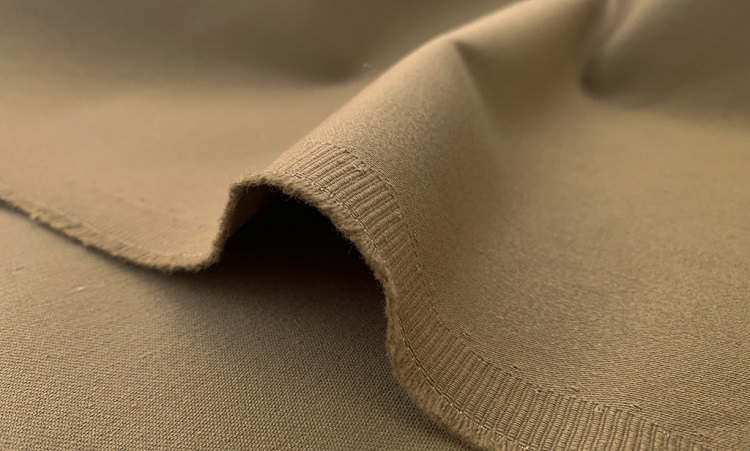
Traditionally, khaki was made from cotton twill, a fabric known for its diagonal weave, strength, and breathability. Cotton was the perfect choice for soldiers stationed in hot and humid climates because it absorbed sweat and allowed the skin to breathe. The twill weave added durability, enabling uniforms to withstand the wear and tear of military life.
The combination of comfort and toughness meant that cotton khaki uniforms could be worn for long periods without losing functionality. These properties helped khaki gain a reputation as a practical and reliable fabric, qualities that would later influence its popularity in civilian clothing.
Modern Variations
Today, khaki clothing is made from a variety of fabrics, often blended to meet the demands of modern lifestyles. Cotton remains a popular base material, but it is frequently combined with polyester or spandex to add strength, stretch, and wrinkle resistance. For example, cotton-polyester blends ensure that khaki pants retain their shape after multiple washes, while spandex provides flexibility for comfort during movement.
These innovations have made khaki more versatile than ever. Whether in formal chinos, casual trousers, or outdoor workwear, fabric blends allow khaki to adapt to different contexts while maintaining its signature look.
Color and Dyeing Process
The distinct khaki tone is achieved through specific dyeing techniques. Originally, natural dyes like tea, mud, or plant-based substances were used. Modern khaki fabrics are colored using chemical dyes that provide a wider range of shades and better resistance to fading. Manufacturers now offer khaki garments in tones ranging from light beige to olive green, ensuring greater variety for consumers and designers alike.
Characteristics and Qualities of Khaki Fabric
Durability and Practicality
One of the defining features of khaki fabric is its durability. The twill weave ensures resistance to wear and tear, making it ideal for uniforms, workwear, and outdoor clothing. This practicality explains why khaki has endured for more than a century in environments where reliability is non-negotiable.
From soldiers in the field to workers in construction and manufacturing, khaki’s robust qualities have consistently proven their value. Its resilience ensures that garments last longer, offering both economic and functional benefits.
Comfort and Breathability
Khaki is also praised for its comfort, especially when made from cotton or cotton-rich blends. Its breathability allows the fabric to stay cool in hot climates, while blends with synthetic fibers enhance comfort in colder or more demanding conditions. Unlike heavier fabrics like wool, khaki offers a lighter option that balances practicality with ease of wear.
This comfort factor is one reason khaki transitioned so smoothly from military uniforms to casual fashion. People appreciated its functional roots while enjoying its relaxed and wearable qualities.
Versatility in Fashion
Perhaps khaki’s greatest strength lies in its versatility. From rugged military uniforms to stylish chinos, khaki adapts seamlessly to different styles. In fashion, khaki trousers, jackets, and shorts have become wardrobe staples, symbolizing casual elegance and understated confidence.
Designers frequently use khaki because it complements a wide range of colors and can easily shift between casual and semi-formal looks. Its neutral tones make it a safe yet stylish choice for people seeking balance between comfort and sophistication.
Modern Applications of Khaki
Military and Workwear
Khaki remains widely used in military uniforms due to its camouflage properties and durability. Many armed forces worldwide still rely on khaki for certain uniforms, particularly in desert or arid environments. Beyond the military, khaki has found a home in workwear, where its toughness and ease of care make it ideal for demanding jobs.
Everyday Fashion and Style
In everyday fashion, khaki is most commonly seen in chinos, a style of lightweight cotton trousers that combine comfort with formality. Khaki chinos are a popular choice in business-casual settings, bridging the gap between jeans and dress pants. Jackets, skirts, and shorts made from khaki fabric also feature prominently in seasonal collections, proving that this textile remains highly relevant.
Sustainability and Eco-Friendly Khaki
As fashion shifts toward sustainability, khaki is also adapting. Many brands now use organic cotton and eco-friendly dyeing processes to reduce the environmental footprint of khaki garments. These initiatives not only make khaki more sustainable but also align it with the values of modern consumers who prioritize eco-conscious fashion.
Conclusion
So, what is khaki made of? Traditionally, khaki was crafted from cotton twill, dyed to achieve its earthy tones. Over time, the fabric has evolved, incorporating blends of polyester, spandex, and other fibers to enhance durability, flexibility, and convenience. From its humble beginnings in the British Indian Army to its current status as a global fashion staple, khaki has proven its versatility, comfort, and timeless appeal.
Whether in military uniforms, workwear, or casual fashion, khaki has successfully adapted to the needs of each era. Its durability makes it practical, its comfort makes it wearable, and its understated style ensures its continued place in wardrobes worldwide.
FAQs about Khaki
What is khaki made of traditionally?
Traditionally, khaki was made from cotton twill, a durable and breathable fabric.
Is khaki a color or a fabric?
Khaki originally referred to a color, but over time it has come to describe both the fabric and the garments made from it.
Why was khaki first used in military uniforms?
It provided camouflage, durability, and comfort in the hot climates where British colonial armies were stationed.
Are modern khaki clothes made only of cotton?
Not always—modern khaki often includes polyester, spandex, or other synthetic blends for added durability and flexibility.
How does khaki differ from chino fabric?
While both are often cotton-based, chino fabric is typically lighter, finer, and more polished, whereas khaki fabric is more rugged and casual.
Is khaki environmentally friendly?
Khaki made from organic cotton and eco-friendly dyes can be sustainable, but traditional synthetic blends may have a higher environmental impact.
You May Also Read: Sulphurous Smog